Chronicle Shift Home

Category

Finance

22 articles

8 PM Sharp or You Missed It Forever: The Rigid, Surprisingly Wonderful World of Appointment Television

Before streaming gave us everything at once, Americans organized their evenings around a handful of broadcast time slots — and missing your show meant it was simply gone. That scarcity sounds like a limitation, but it created something streaming has never quite managed to replicate: a shared cultural moment that an entire nation experienced at exactly the same time. Here's what we gave up when we gained infinite choice.

Before Amazon, There Was a Catalog: How the U.S. Mail Turned Into America's First Online Store

Before Amazon, There Was a Catalog: How the U.S. Mail Turned Into America's First Online Store

For nearly a century, millions of Americans who lived far from any city got everything they needed — clothes, furniture, medicine, even entire houses — through the mail. The Sears catalog wasn't just a shopping tool; it was a lifeline that reshaped the American economy and democratized access to goods in ways that would feel eerily familiar to anyone who's ever clicked 'add to cart.' The story of mail-order America is the story of e-commerce, told a hundred years early.

The Person Who Knew Your Whole Family's Medical History Used to Work at the Corner Drugstore

The Person Who Knew Your Whole Family's Medical History Used to Work at the Corner Drugstore

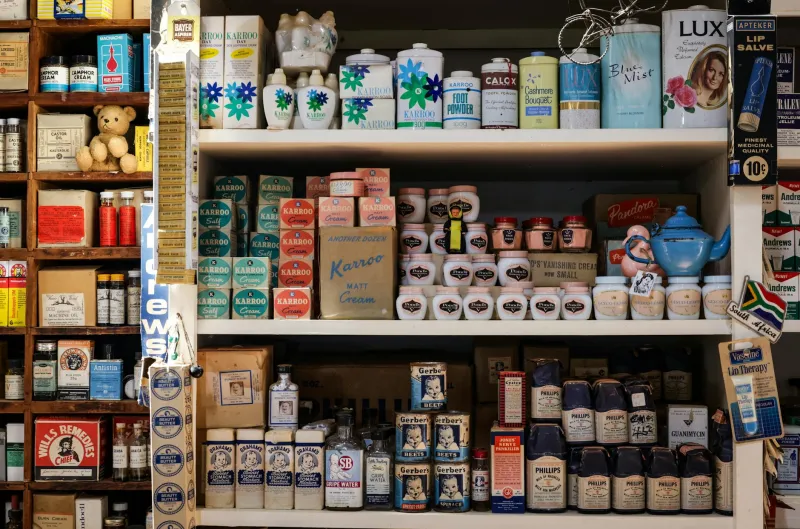
For much of the twentieth century, the neighborhood pharmacist was one of the most trusted people in town — someone who knew three generations of your family by name, counseled you on medications your doctor hadn't fully explained, and often served as the first call when something felt wrong. What replaced that relationship is faster, cheaper, and available on every corner. But something real was lost in the trade.

The 900-Page Store That Reached Every Farmhouse in America: How Sears Rewrote the Rules of Shopping

The 900-Page Store That Reached Every Farmhouse in America: How Sears Rewrote the Rules of Shopping

Before the internet, before big-box retail, before anyone had heard the word 'e-commerce,' a thick paper catalog dropped onto doorsteps across rural America and changed everything. The Sears Roebuck catalog didn't just sell goods — it dismantled the grip that local merchants had held over isolated communities for generations. And then, a century later, it was undone by the exact same force it had once unleashed.

America's Marriage Prison: When 'Till Death Do Us Part' Was the Only Way Out

America's Marriage Prison: When 'Till Death Do Us Part' Was the Only Way Out

For most of American history, escaping an unhappy marriage meant proving your spouse was an adulterer, abuser, or had abandoned you entirely. The courtroom humiliation and legal costs trapped millions in loveless unions until a revolutionary change in California transformed marriage forever.

When Hiring a Stranger Meant Taking Their Word for Everything

When Hiring a Stranger Meant Taking Their Word for Everything

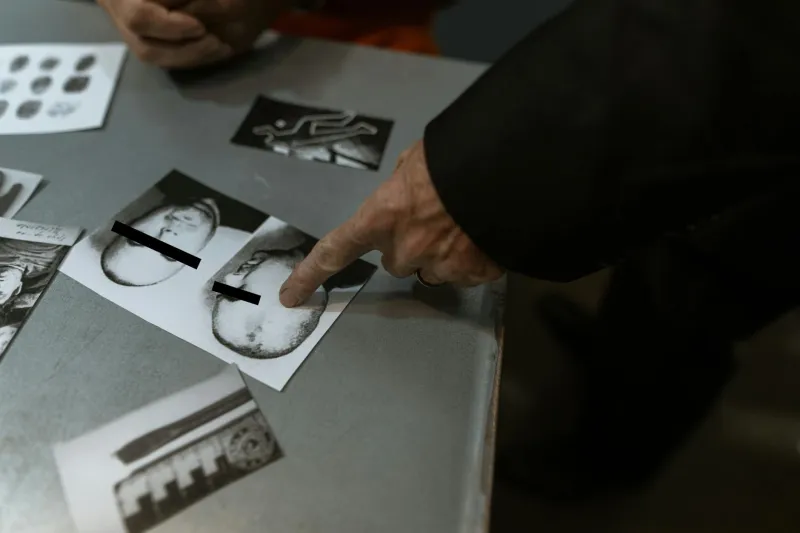
For most of American history, employers, landlords, and families had no way to verify someone's past beyond personal references and gut instinct. The rise of instant background checks fundamentally changed how we assess trust and risk in everyday life.

When Your Boss Fed You Lunch: The Lost World of Company Cafeterias

When Your Boss Fed You Lunch: The Lost World of Company Cafeterias

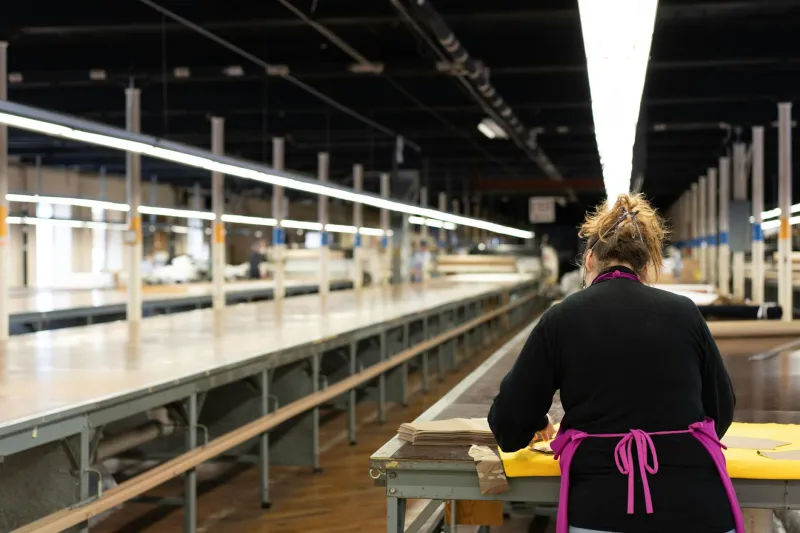
For most of the 20th century, American workers expected their employers to provide hot, subsidized meals as a basic job benefit. The company cafeteria wasn't just about food — it was where hierarchies dissolved, friendships formed, and corporate culture was literally digested together.

When Your Neighbor's Word Was Worth More Than a Credit Report

When Your Neighbor's Word Was Worth More Than a Credit Report

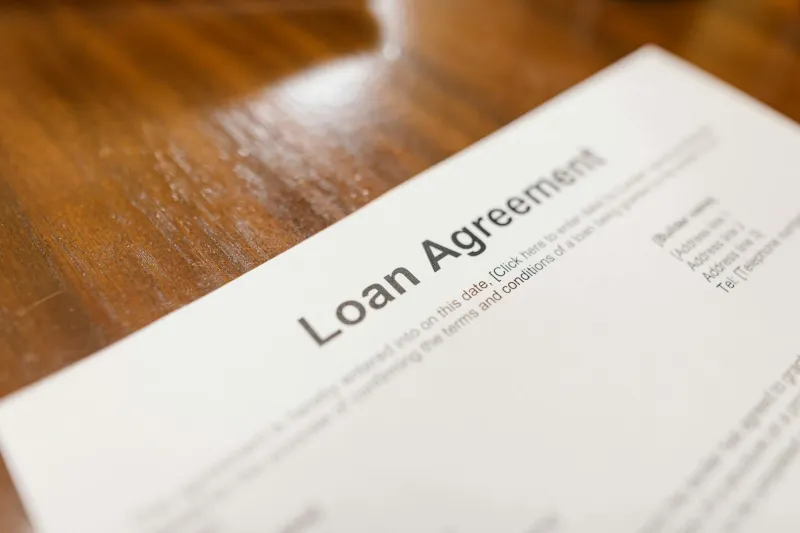
For most of American history, getting a loan meant sitting across from a banker who knew your family, your work ethic, and your reputation in town. The FICO score replaced human judgment with algorithmic precision, but something important was lost when lending became a numbers game.