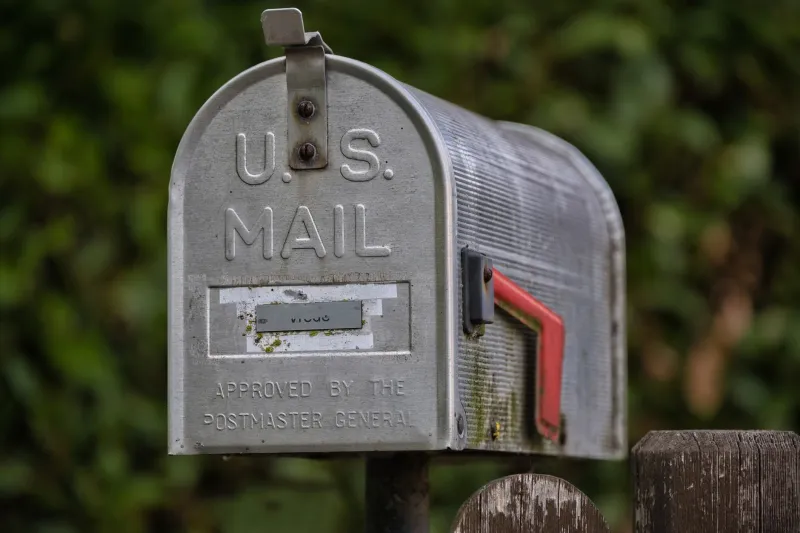
The Paper Amazon: How a Thick Catalog From Chicago Once Delivered the American Dream to Your Doorstep
Picture this: you need a new coat, a cast-iron stove, a set of tools, and maybe some seeds for next spring. The nearest town is twelve miles away. The general store carries a thin selection at prices inflated by the local merchant's monopoly. You have no car. The roads are unpaved. And winter is coming.
This was ordinary life for tens of millions of Americans in the late 1800s and early 1900s. And for those people, salvation arrived not on horseback or by telegraph — it arrived in a thick, dog-eared book dropped on the front porch by a rural mail carrier. The Sears Roebuck catalog was, in every practical sense, the internet of its day.
A Catalog the Size of a Bible
Richard Sears started modestly, selling watches by mail in 1886. Within a decade, he'd partnered with Alvah Roebuck and built something that had never existed before: a direct line between a massive centralized warehouse and the American consumer, bypassing every middleman in between.
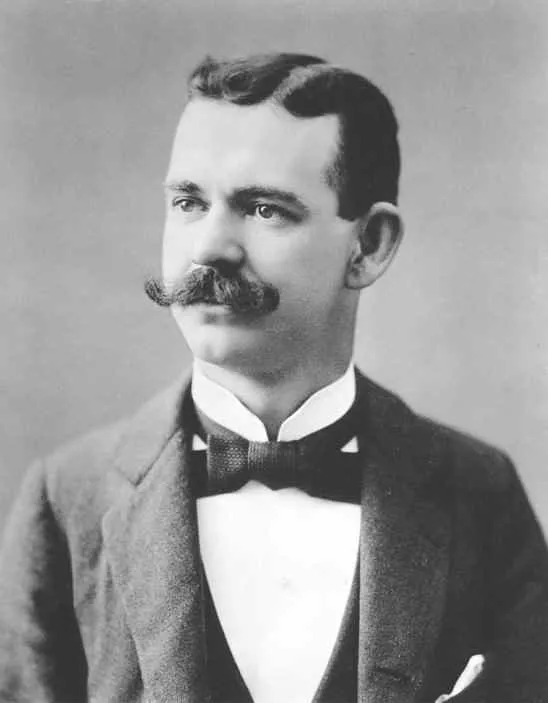 Photo: Alvah Roebuck, via 4.bp.blogspot.com
By the early 1900s, the Sears catalog had ballooned to over 500 pages. It offered everything — furniture, clothing, farm equipment, medicine, musical instruments, bicycles, guns, and eventually, entire prefabricated houses shipped in numbered pieces by rail. Families in rural Georgia or the Kansas plains could order a complete Victorian-style home, receive it in crates, and assemble it on their land. Sears sold an estimated 70,000 to 75,000 of these "kit homes" between 1908 and 1940. Some are still standing today.
The catalog was so central to rural life that families kept old copies in the outhouse — both as reading material and as a practical substitute for toilet paper once the pages had been thoroughly studied.
Killing the Middleman, 19th-Century Style
What made Sears genuinely revolutionary wasn't just the selection — it was the pricing. Local general stores operated with almost no competition. They could charge what they liked, and rural customers had little choice but to pay it. Sears obliterated that dynamic.
By buying in enormous bulk and shipping directly to consumers, Sears could undercut local merchants on nearly everything. A plow that cost eight dollars at a rural hardware store might arrive from Chicago for five. A dress that a local seamstress charged three dollars to make could be ordered ready-made for under a dollar. For working-class and farming families operating on razor-thin margins, the savings were life-changing.
This is, of course, almost exactly what Amazon did a century later. The mechanism was different — cardboard boxes and delivery trucks instead of canvas sacks and steam trains — but the disruption was structurally identical. Cut out the middleman. Centralize inventory. Pass the savings to the customer. Watch local retail struggle to compete.
Trust Was the Product
Ordering from Sears required something that modern consumers rarely think about: an extraordinary leap of faith. You were sending money — real cash or a money order — to a company hundreds of miles away, for a product you had never seen or touched, based entirely on a written description and a small illustration.
Sears understood this barrier and attacked it directly. The company's early catalogs featured Richard Sears' personal guarantee, written in plain, friendly language. "We are responsible," the copy read, again and again. Returns were accepted. Complaints were taken seriously. The company built a reputation for honoring its word in an era when consumer protection essentially didn't exist.
The parallel to modern e-commerce is striking. Amazon's early years were similarly defined by building trust around a concept — buying things you couldn't physically examine — that made many consumers deeply nervous. Sears solved that problem with personal guarantees and a satisfaction promise. Amazon solved it with reviews, easy returns, and Prime's frictionless refund system. Different tools, same fundamental challenge.
The Geography of Shopping, Rewritten
Perhaps the most profound impact of the catalog era was geographic. For the first time in American history, where you lived largely stopped determining what you could buy. A farmer in rural Mississippi and a factory worker in Pittsburgh could order from the same catalog and pay the same prices.
This mattered enormously in a country where, as late as 1900, nearly 60 percent of the population lived in rural areas. The catalog didn't just deliver goods — it delivered access. It delivered the sense that you were participating in the same modern economy as city dwellers. That psychological shift was as significant as the economic one.
When the rural free delivery program expanded mail service across America starting in 1896, Sears' business exploded. The government had just built the last mile of the distribution network. Sound familiar? The rise of Amazon was similarly accelerated by UPS and FedEx building out nationwide parcel infrastructure. Sears didn't build the postal system. Amazon didn't build the delivery networks it relies on. Both companies were brilliant at exploiting infrastructure that already existed.
The Catalog Fades, the Impulse Never Does
The Sears catalog began its long decline in the mid-20th century as cars became widespread, highways multiplied, and suburban shopping malls rose. When Americans could drive to a store and see merchandise in person, the catalog's core advantage — access — became less compelling. Sears pivoted to retail stores and eventually abandoned the general catalog entirely in 1993.
The irony is sharp. Just as Sears killed the catalog, the internet was being born. Within a decade, Amazon would prove that the desire to shop from home — to browse a vast selection, pay a fair price, and have things delivered to your door — had never gone away. It had just been waiting for faster technology.
The Sears catalog lasted about a century. Amazon is barely thirty years old. But walk into any American home today and watch someone scroll through product listings on their phone, reading reviews and adding items to a cart they'll check out from their couch, and you're watching the same fundamental behavior that a farm family in 1902 exhibited when they sat down at the kitchen table with the big book from Chicago.
The delivery mechanism changed. The human impulse never did.