When Your Boss Fed You Lunch: The Lost World of Company Cafeterias

The Factory Floor Gets a Dining Room
In 1918, as World War I raged overseas, American factory owners faced a crisis at home: workers were collapsing from malnutrition during their shifts. The solution seemed obvious — feed them.
What started as a wartime necessity quickly evolved into something much more significant. By the 1920s, major corporations like Ford, General Electric, and Westinghouse were building elaborate dining facilities that rivaled upscale restaurants. These weren't just functional feeding stations; they were architectural statements about corporate values and worker dignity.
Ford's River Rouge plant featured a cafeteria that could serve 10,000 workers simultaneously. The menu included fresh vegetables, roasted meats, and homemade pies — all subsidized by the company to cost employees just pennies per meal. Henry Ford understood something that modern executives have forgotten: well-fed workers were productive workers.
The Golden Age of Corporate Hospitality
By the 1950s, the company cafeteria had become as standard as health insurance and paid vacation. IBM's headquarters in Armonk featured multiple dining rooms with white tablecloths and professional waitstaff. Bell Labs employed French chefs who prepared gourmet meals for engineers and secretaries alike.
These facilities weren't just about nutrition — they were sophisticated tools of corporate culture. The cafeteria was where the company president might sit next to a junior accountant, where department rivalries dissolved over shared desserts, and where the day's gossip and innovations circulated as freely as the coffee.
General Motors' Technical Center in Warren, Michigan, designed by architect Eero Saarinen, featured a lakeside dining pavilion that looked more like a country club than a factory lunchroom. The message was clear: GM valued its employees enough to make their lunch hour beautiful.
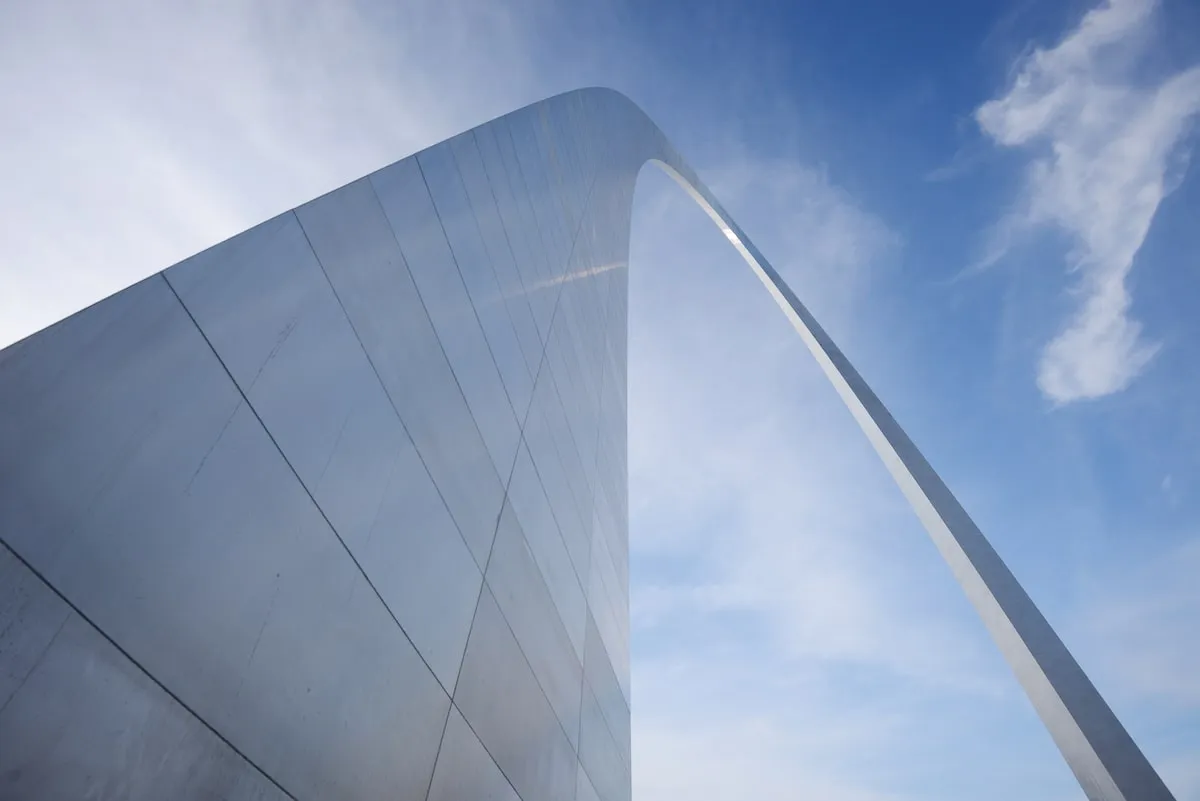 Photo: Eero Saarinen, via mymodernmet.com
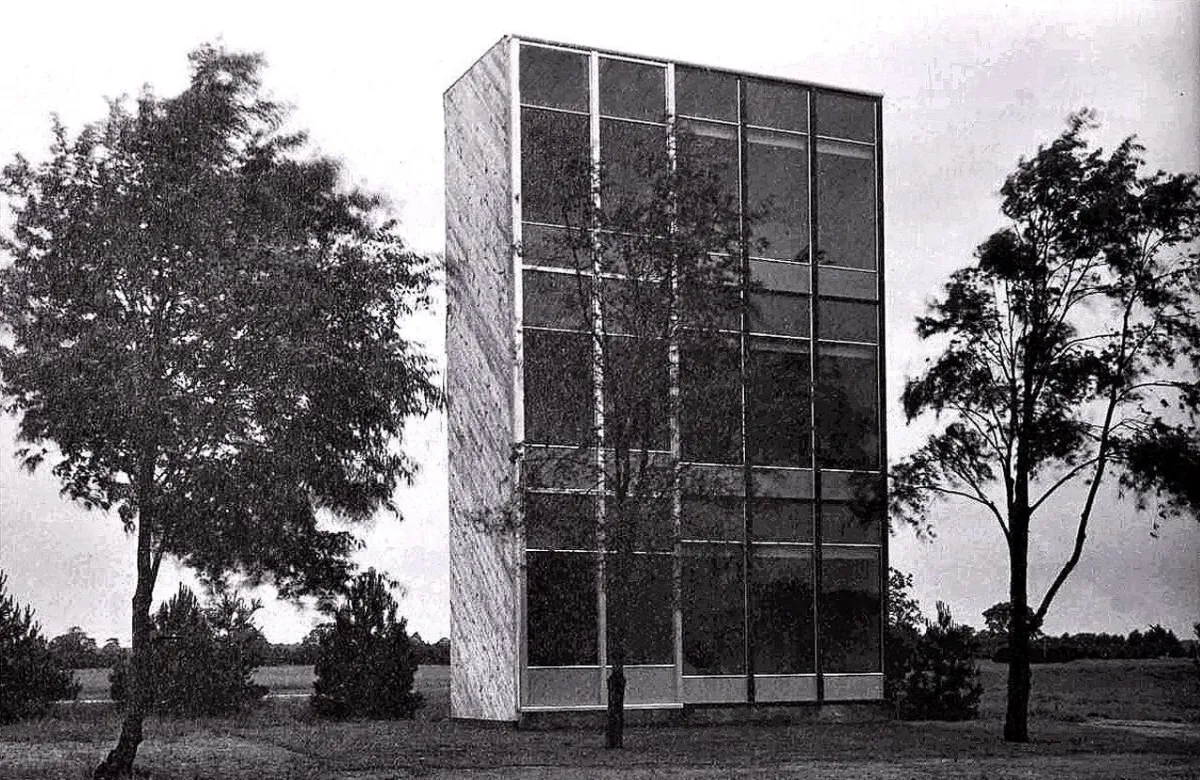 Photo: General Motors' Technical Center in Warren, Michigan, via 64.media.tumblr.com
The Economics of Feeding Your People
The math behind company cafeterias was surprisingly complex. Most corporations subsidized meals heavily, selling $3 worth of food for $1. This wasn't charity — it was calculated investment.
Well-fed employees took shorter lunch breaks, which meant more productive hours. They were less likely to leave the premises for meals, reducing the risk of afternoon tardiness. Most importantly, the shared dining experience created loyalty and camaraderie that translated directly into lower turnover rates.
Companies also discovered that cafeterias were powerful recruitment tools. When Kodak's new hires toured the Rochester facility, the company always made sure to showcase the dining hall during peak lunch hours. The sight of hundreds of employees enjoying subsidized meals in a pleasant environment sent a clear message about corporate values.
For workers, the economic benefit was enormous. A full hot lunch that might cost $5 at a restaurant was available for $1.50 in the company cafeteria. Over the course of a year, this subsidy could save a middle-class family hundreds of dollars — real money that could go toward a house payment or children's education.
The Social Architecture of Shared Meals
The company cafeteria created a unique social space in American corporate life. Unlike the rigid hierarchies of the office floor, the dining hall operated under different rules. Executives might find themselves sharing tables with maintenance workers, and secretaries could strike up conversations with vice presidents.
These interactions had profound effects on corporate culture. Ideas flowed more freely when the research scientist sat next to the marketing manager during lunch. Problems got solved faster when the person who designed a product could talk directly to the person who built it.
Many lifelong friendships — and more than a few marriages — began over company-subsidized meatloaf and mashed potatoes. The cafeteria served as the company's unofficial social center, where birthday parties were planned, retirement celebrations organized, and office romances carefully navigated.
The Menu of American Progress
Company cafeterias also served as laboratories for American dietary evolution. Corporate nutritionists introduced workers to new foods and healthier eating habits decades before these trends reached mainstream restaurants.
In the 1960s, when most Americans still considered salad a garnish, company cafeterias were serving elaborate salad bars with dozens of options. They pioneered the concept of "heart-healthy" menu items, often in partnership with corporate health programs designed to reduce insurance costs.
Some companies used their cafeterias to reflect corporate values and international reach. IBM's cafeterias featured "ethnic food days" that introduced suburban employees to cuisines from around the world. This wasn't just cultural education — it was preparation for an increasingly global business environment.
The Beginning of the End
The decline of company cafeterias began in the 1980s, driven by a perfect storm of economic and cultural changes. Corporate cost-cutting initiatives targeted "non-essential" employee benefits, and subsidized meals were easy targets for budget-conscious executives.
Simultaneously, American work culture was shifting toward individual choice and personal responsibility. The paternalistic model of companies providing for employees' basic needs began to feel outdated, even infantilizing. Why should corporations decide what their workers ate for lunch?
The rise of fast-food chains also provided convenient alternatives. McDonald's, Burger King, and Taco Bell could deliver cheap, fast meals without requiring companies to invest in kitchen facilities, professional staff, or ongoing food subsidies.
The Microwave Revolution
The final blow came from an unexpected source: the microwave oven. Once these appliances became standard office equipment in the 1990s, employees could bring their own meals and heat them at their desks. The convenience of eating while working seemed to outweigh the social benefits of communal dining.
Companies discovered they could eliminate entire food service operations and simply provide break rooms with microwaves, refrigerators, and vending machines. The capital and operational savings were substantial, even if the human costs were harder to calculate.
Today's Sad Desk Lunch Reality
Modern American workers inhabit a dramatically different lunch landscape. The average office employee eats at their desk 67% of the time, often while checking emails or attending virtual meetings. Lunch has become a task to be optimized rather than an experience to be enjoyed.
The economic implications are staggering. Without subsidized company meals, workers spend an average of $3,500 per year on lunch — money that previous generations could invest in homes, education, or retirement savings. The convenience of DoorDash and Grubhub comes with a premium that few workers fully calculate.
Remote work has further atomized the lunch experience. The Zoom lunch meeting represents the ultimate evolution away from communal dining — workers eating alone while pretending to be social, multitasking through what was once a sacred break from productivity pressures.
What the Tech Giants Remember
Interestingly, some of today's most successful companies have rediscovered the value of feeding their employees. Google, Facebook, and Apple provide elaborate free meals that would make 1950s corporate executives jealous. These companies understand that the cost of food service is minimal compared to the benefits of keeping talented employees happy, healthy, and on-site.
But even these modern cafeterias operate differently. They're designed around individual choice and dietary preferences rather than shared communal experiences. Workers grab their customized meals and often eat at their desks or in small groups organized around existing social networks.
The Hidden Costs of Going Solo
The disappearance of company cafeterias represents more than changing employee benefits — it's a fundamental shift in how Americans think about work, community, and corporate responsibility.
When companies stopped feeding their employees, they also stopped creating the informal networks that made organizations more innovative and collaborative. The casual conversations that happened over shared meals often generated the insights that drove business success.
Workers lost more than subsidized food; they lost a structured opportunity for cross-departmental interaction and relationship building. In today's increasingly specialized and siloed work environment, many employees know less about their colleagues than their grandparents knew about theirs.
The economic burden shifted from corporations to individuals, representing a quiet transfer of wealth from employers to employees that few people fully recognized. The "personal responsibility" model of lunch funding sounds empowering until you calculate how much more expensive it actually is.
The Future of Workplace Feeding
As companies grapple with remote work, employee retention, and corporate culture challenges, some are reconsidering the value of shared meals. Virtual lunch meetings and catered office gatherings represent attempts to recreate the community-building aspects of the old company cafeteria.
But these efforts face the fundamental challenge of modern work culture: the expectation that every moment should be optimized for productivity. The leisurely, relationship-building lunch hour that previous generations took for granted now feels like an luxury that few companies or employees believe they can afford.
The company cafeteria may be gone, but its ghost haunts every sad desk lunch and every worker counting the cost of their daily DoorDash order. We gained convenience and individual choice, but lost community and economic security. Whether that trade was worth it remains an open question — one best discussed over a shared meal.