The Era When Americans Actually Had to Remember Things: Life Before Google Changed Everything
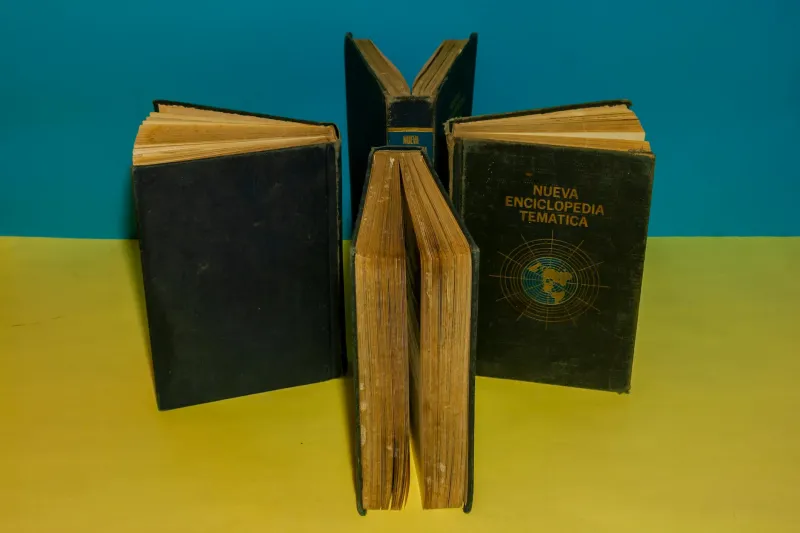
In 1985, if you wanted to know the capital of Montana or the year the Civil War ended, you had three options: remember it, look it up in a book, or ask someone who might know. There was no fourth option. Today, that same information is available in 0.3 seconds on the device in your pocket. This shift from stored knowledge to instant access has fundamentally changed what it means to be educated in America.
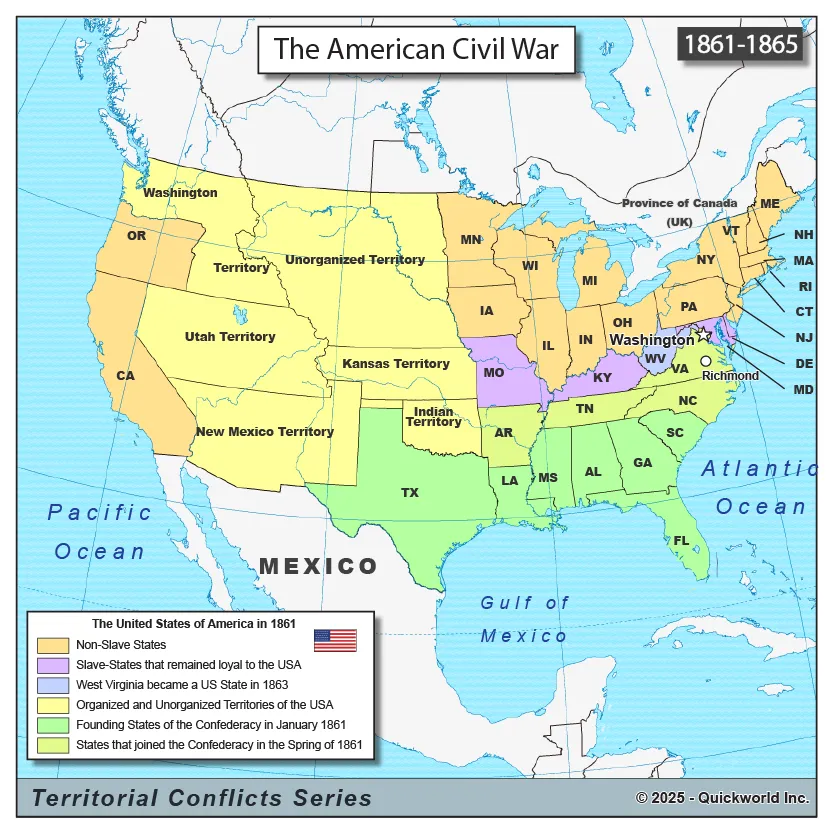 Photo: Civil War, via maps.quickworld.com
When Encyclopedias Were Status Symbols
The Encyclopedia Britannica wasn't just a reference tool — it was a major household investment. Families saved for months to buy a complete set, often paying $1,500 to $2,000 (equivalent to about $4,000 to $5,000 today) for 32 volumes of human knowledge. Door-to-door encyclopedia salesmen were as common as vacuum cleaner hawkers, and their pitch was compelling: you were buying your children's future.
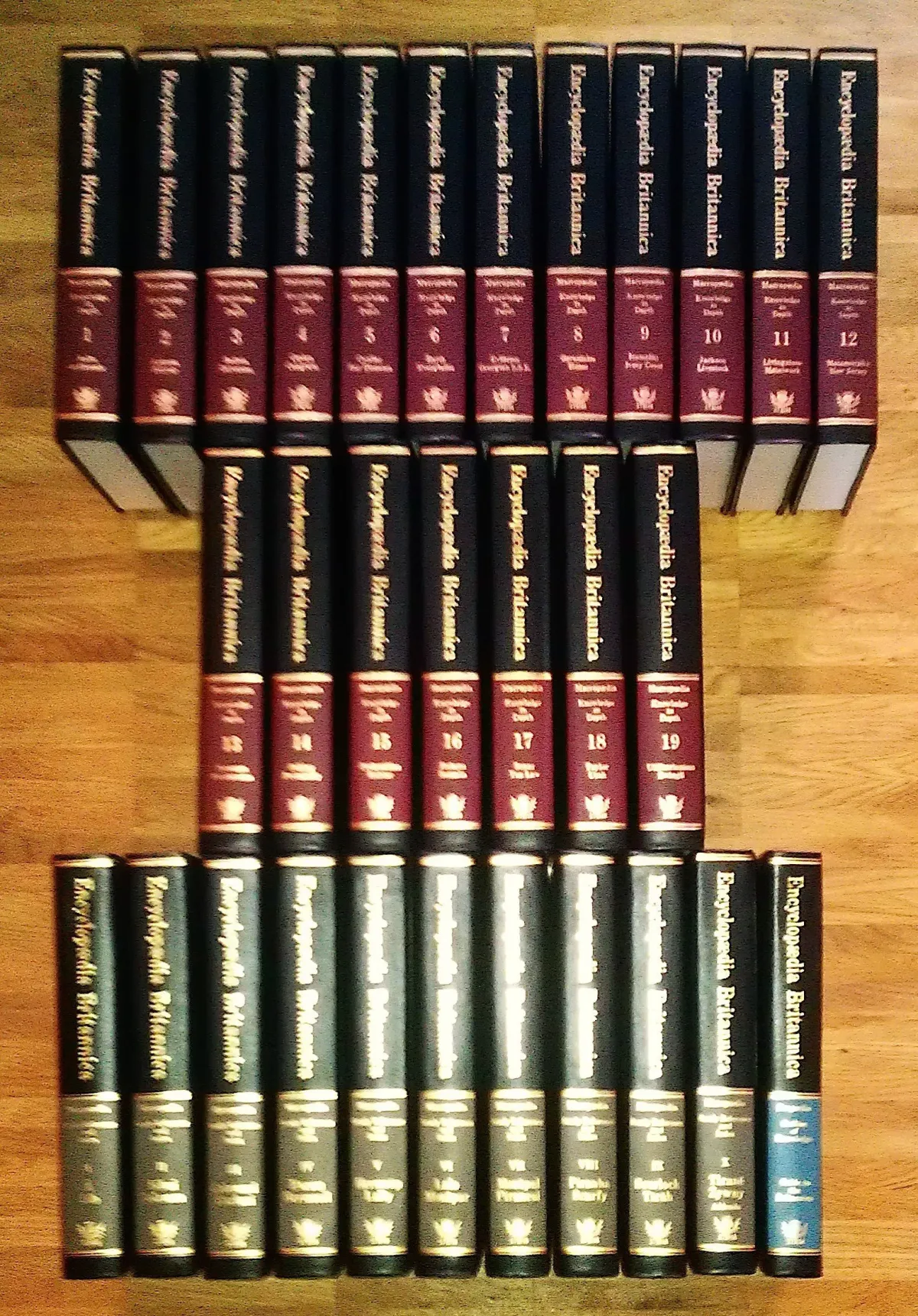 Photo: Encyclopedia Britannica, via images-na.ssl-images-amazon.com
These leather-bound volumes occupied prime real estate in American living rooms, displayed with the same pride as fine china or family heirlooms. Families without encyclopedias felt genuinely disadvantaged, like they were denying their kids educational opportunities. The annual yearbook updates were events — new volumes that kept your family's knowledge current.
World Book Encyclopedia dominated middle-class homes, while Britannica represented the gold standard for serious households. Compton's targeted younger families. The competition was fierce, with sales representatives trained to emphasize how encyclopedia ownership would determine children's academic success. It wasn't entirely wrong — kids with home reference libraries did have educational advantages.
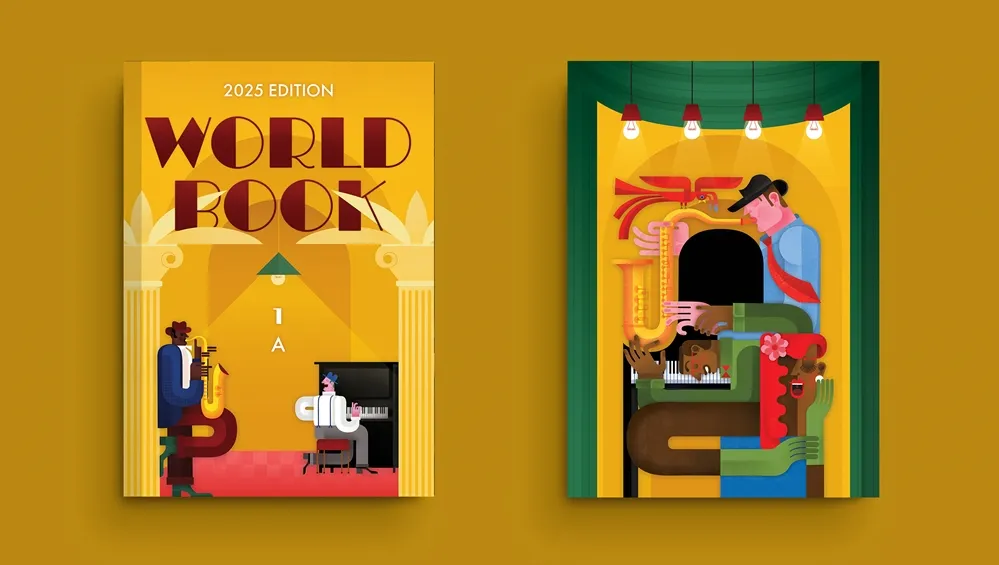 Photo: World Book Encyclopedia, via www.worldbook.com
The Memorization Economy
Without instant access to information, Americans developed remarkable memory skills out of necessity. Phone numbers weren't stored in devices — they lived in your head. Most people could recite dozens of important numbers: family, friends, work, pizza delivery, the local movie theater's showtimes line.
Professionals memorized vast amounts of job-specific information. Doctors carried drug interaction charts in their heads. Lawyers quoted case law from memory. Mechanics diagnosed car problems based on sounds and symptoms they'd learned to recognize over years of experience. Teachers delivered entire lessons without notes, having internalized curriculum through repetition.
Trivia knowledge was a valuable social currency. The person who could settle a dinner table argument about which president served the shortest term, or name all the states that border Colorado, earned genuine respect. Bar bets were settled through collective memory and heated debate, not smartphone searches.
The Reference Librarian as Information Oracle
Public libraries weren't just book repositories — they were information command centers staffed by professional researchers. Reference librarians were human search engines, trained to navigate complex filing systems, card catalogs, and specialized databases. Need to know the average rainfall in Peru? The librarian knew exactly which almanac to check.
These librarians developed encyclopedic knowledge of their collections and could guide researchers through multi-step information hunts. Finding answers often required consulting multiple sources, cross-referencing data, and following paper trails through various reference materials. A single research question might take hours and involve dozens of books and periodicals.
Library science was a respected profession requiring specialized training in information organization and retrieval. Reference desks were constantly busy with patrons seeking everything from homework help to business research to settling personal curiosities. The phrase "look it up" meant a literal trip to the library.
The Almanac and Atlas Economy
American households invested in specialized reference books the way we now subscribe to streaming services. The World Almanac and Book of Facts was an annual purchase for many families, packed with statistics, sports records, and current events summaries. Road atlases weren't just for navigation — they were geography textbooks that families studied to understand their country.
Farmer's Almanacs predicted weather and planting schedules. Medical reference books helped families understand symptoms and treatments. Cookbook collections weren't just recipes — they were cultural education about cuisines and techniques. These books represented significant household investments, chosen carefully and used extensively.
Dictionaries weren't decorative — they were daily tools. Families argued over pronunciations and definitions, settling disputes by looking up words in Webster's or Random House. The thrill of discovering a new word and its meaning was a common childhood experience, impossible to replicate in an age of autocorrect and instant definition pop-ups.
When Being Smart Meant Something Different
Intelligence was measured partly by what you could recall without assistance. Educated people were expected to know basic facts about history, geography, science, and literature. Cocktail party conversations tested your knowledge bank — could you discuss the causes of World War I, explain photosynthesis, or quote Shakespeare?
Game shows like Jeopardy! and Trivial Pursuit celebrated pure knowledge retention. Contestants who could answer obscure questions without help were genuine celebrities. College Bowl competitions drew huge audiences watching teams of students demonstrate their accumulated learning under pressure.
Professors expected students to memorize vast amounts of information because there was no alternative during exams. Medical students memorized anatomy textbooks. History majors knew dates, names, and events by heart. Literature students quoted passages from memory. The human brain was the primary storage device for education.
The Transformation of Learning
The internet didn't just change how we access information — it changed what we need to know. Today's emphasis is on knowing how to find and evaluate information rather than storing it. Critical thinking skills matter more than factual recall. The ability to synthesize information from multiple sources has become more valuable than memorizing any single source.
Modern students Google answers during class discussions, and teachers adjust their methods accordingly. Instead of testing memory, educators focus on analysis, synthesis, and application. The question isn't "What year did the Civil War end?" but "How did the Civil War's conclusion affect Reconstruction policies?"
This shift has democratized access to information while potentially weakening memory skills. Anyone with internet access can instantly access the same facts that once required expensive reference books or library visits. But the ability to hold complex information in working memory — essential for deep thinking — may be diminishing.
The Economics of Knowledge
The collapse of the reference book industry happened with stunning speed. Encyclopedia Britannica stopped printing its iconic volumes in 2012 after 244 years. World Book still exists but mainly serves schools. The door-to-door encyclopedia salesman became extinct, replaced by Wikipedia and Google.
Families once budgeted hundreds of dollars annually for reference materials. Today, access to exponentially more information costs nothing beyond internet service. The economic model of knowledge shifted from ownership to access, from scarcity to abundance.
Librarians evolved from information gatekeepers to research consultants, helping people navigate information overload rather than information scarcity. The skills that made someone valuable in 1985 — vast factual knowledge and memory — became less important than the ability to quickly process and evaluate information.
What We've Gained and Lost
Today's instant access to information has obvious benefits. Research that once took hours happens in minutes. Students can explore topics in depth without library limitations. Global knowledge is democratically available rather than restricted to those who could afford reference books.
But we've also lost something valuable. The effort required to find information made it more memorable and precious. The serendipitous discoveries that happened while looking up one thing and finding another enriched general knowledge. The social bonds formed over shared research struggles and trivia contests created different kinds of intellectual communities.
Most significantly, we've externalized memory to our devices, potentially weakening our ability to think deeply about complex topics that require holding multiple facts in mind simultaneously. The shift from knowing to knowing how to find has transformed human cognition in ways we're still understanding.
The era when Americans had to actually remember things wasn't necessarily better or worse than today — it was profoundly different, requiring different skills and creating different kinds of minds. Understanding this transformation helps us appreciate both what we've gained and what we've lost in our journey from the library to the smartphone.