When Mothers Cooked All Day and Families Actually Ate Together
In 1950, the average American housewife spent over 8 hours daily preparing meals from scratch. Today, most families spend more time deciding what to order than actually cooking it.
How different things used to be.
In 1950, the average American housewife spent over 8 hours daily preparing meals from scratch. Today, most families spend more time deciding what to order than actually cooking it.
Your great-grandmother might wait three months to hear whether her fiancé survived a work accident. Today, we panic if someone doesn't reply to our text within an hour. Here's how instant communication rewired the American mind.
For centuries, wealthy Americans avoided the sun like the plague and prized porcelain skin. Then Hollywood and leisure culture flipped everything upside down, convincing an entire generation that baking in UV rays was the height of health and beauty.
In 1850, building a home meant your neighbors showed up with hammers and stayed for dinner. Today, you'll never meet half the people who construct your house. Here's how American homebuilding transformed from a community celebration into a corporate transaction.
Just forty years ago, taking your family to see the Yankees or Cowboys was cheaper than dinner at McDonald's. Today, those same seats cost more than most Americans make in a day, fundamentally changing who gets to be part of the live sports experience.
For most of American history, getting a loan meant sitting across from a banker who knew your family, your work ethic, and your reputation in town. The FICO score replaced human judgment with algorithmic precision, but something important was lost when lending became a numbers game.
For most of American history, one physician knew your entire family's medical story from birth to death, making house calls with a black bag and genuine familiarity. Today's specialist-driven system might be more technically advanced, but something profound was lost when healthcare became an assembly line.
Until recently, your medical history existed as scattered paper charts across dozens of offices that never communicated. Every doctor visit meant starting from scratch, turning routine care into medical detective work.
A generation ago, minor legal troubles faded with time and distance. Today's digital background checks mean a single arrest can shadow your financial future for decades, blocking everything from apartment rentals to job applications.
As recently as the 1960s, most American clothing was sewn by American workers in American factories. Then global trade policies dismantled an entire industrial ecosystem, transforming how we dress and where our money goes.
For most of American history, deadly storms arrived with little to no advance notice, killing thousands who had no way to prepare or evacuate. The transformation from telegraph-based guesswork to today's precision forecasting represents one of the greatest public safety advances in modern history.
In 1975, the average American worker could buy a brand-new car with four months of wages. Today, that same purchase requires nearly two years of income, transforming transportation from an accessible necessity into a major financial burden.
Until 1994, packaged foods in American grocery stores carried virtually no nutritional information. Shoppers had no way to know how many calories, how much sugar, or what ingredients were actually in their food, making every meal a nutritional guessing game.
Until 1895, doctors had to guess what was happening inside your body based on symptoms alone. Then Wilhelm Röntgen accidentally discovered X-rays, and medicine was never the same.
A century ago, eating fresh strawberries in December meant being rich enough to live in California. Then refrigerated transportation collapsed the walls between seasons and regions, making year-round abundance ordinary.
For most of American history, the land around your home grew food, not grass. Then post-war prosperity and aggressive marketing turned productive gardens into status symbols that cost more than they're worth.
Until the 1940s, American women who could afford it gave birth at home with midwives, not because they were old-fashioned, but because hospitals were genuinely more dangerous. Then everything changed in a single generation.
American families once spent entire summers frantically preserving food or faced real hunger when snow fell. Then Clarence Birdseye figured out how to freeze peas properly, and suddenly seasonal eating became a quaint memory.
For centuries, bronzed skin marked you as working class while aristocrats powdered themselves white. Then the 1920s flipped everything upside down, and suddenly doctors were literally prescribing sunshine as medicine.
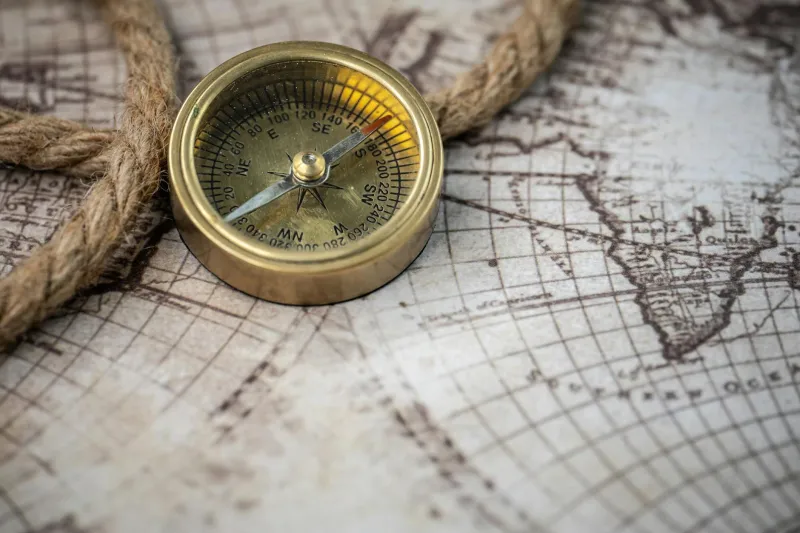
Before smartphones delivered pinpoint forecasts, Americans developed an intricate system of sky-reading, folklore, and homemade instruments to predict the weather. The accuracy of these old-school methods might surprise you.