Chronicle Shift How different things used to be.

Chronicle Shift

How different things used to be.

Latest Articles

When Hospitals Were Death Traps and Smart Mothers Delivered Babies in Their Bedrooms
Health

When Hospitals Were Death Traps and Smart Mothers Delivered Babies in Their Bedrooms

Until the 1940s, American women who could afford it gave birth at home with midwives, not because they were old-fashioned, but because hospitals were genuinely more dangerous. Then everything changed in a single generation.

Before Your Freezer, Winter Meant Potatoes and Salt Pork Until Spring Came to Save You
Travel

Before Your Freezer, Winter Meant Potatoes and Salt Pork Until Spring Came to Save You

American families once spent entire summers frantically preserving food or faced real hunger when snow fell. Then Clarence Birdseye figured out how to freeze peas properly, and suddenly seasonal eating became a quaint memory.

When Doctors Prescribed Sun Baths and Pale Skin Meant You Were Poor
Health

When Doctors Prescribed Sun Baths and Pale Skin Meant You Were Poor

For centuries, bronzed skin marked you as working class while aristocrats powdered themselves white. Then the 1920s flipped everything upside down, and suddenly doctors were literally prescribing sunshine as medicine.

When Americans Read Clouds Like Books: How We Predicted Weather Before Apps Existed
Travel

When Americans Read Clouds Like Books: How We Predicted Weather Before Apps Existed

Before smartphones delivered pinpoint forecasts, Americans developed an intricate system of sky-reading, folklore, and homemade instruments to predict the weather. The accuracy of these old-school methods might surprise you.

When Your Medicine Cabinet Was a Death Trap: America's Poison-Peddling Free-for-All
Health

When Your Medicine Cabinet Was a Death Trap: America's Poison-Peddling Free-for-All

Before 1906, American shelves were stocked with radioactive tonics, morphine-laced baby formula, and arsenic beauty creams—all sold as miracle cures. The Wild West of medicine wasn't just lawless, it was literally lethal.

When Cocaine Was Medicine and Heroin Cured Your Cough: America's Wild West Pharmacy Days
Health

When Cocaine Was Medicine and Heroin Cured Your Cough: America's Wild West Pharmacy Days

A century ago, American pharmacies sold cocaine tonics, mercury pills, and heroin cough drops without a single safety warning. The chaotic world of patent medicines reveals how dramatically pharmaceutical safety has evolved since the days when your medicine cabinet was essentially a collection of legalized poisons.

When Every Wrong Turn Was a Twenty-Mile Mistake: America Before GPS
Travel

When Every Wrong Turn Was a Twenty-Mile Mistake: America Before GPS

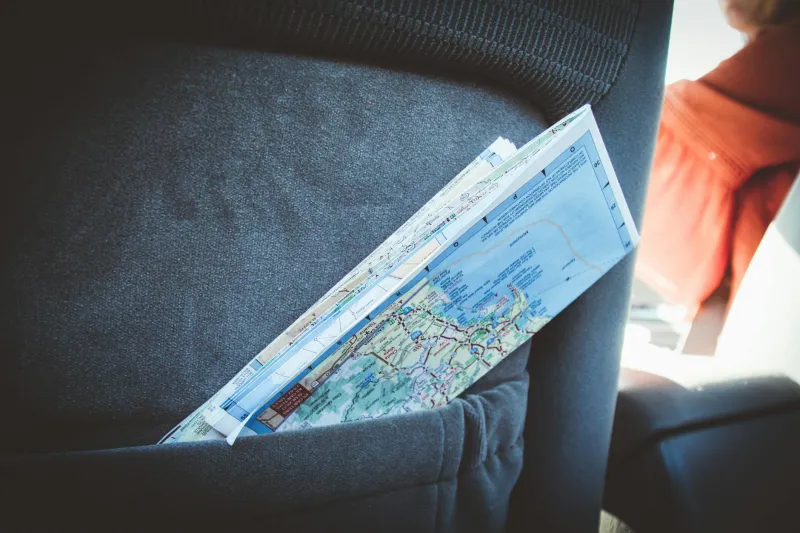
Before smartphones put satellite navigation in every pocket, getting lost wasn't just possible — it was inevitable. A single missed exit could turn a three-hour drive into an all-day ordeal, and every American family had their own horror stories about folded maps and wrong turns.

When Having a Baby Meant Writing Your Will: The Terrifying Reality of American Childbirth Before Modern Medicine
Health

When Having a Baby Meant Writing Your Will: The Terrifying Reality of American Childbirth Before Modern Medicine

For most of American history, pregnancy announcements came with funeral preparations. Before epidurals and hospital births, having a baby was genuinely life-threatening—and the statistics were horrifying.

When Finding Out You Were Pregnant Meant Killing a Rabbit and Waiting Six Weeks
Health

When Finding Out You Were Pregnant Meant Killing a Rabbit and Waiting Six Weeks

Before the drugstore pregnancy test, confirming pregnancy was a weeks-long ordeal involving laboratory animals and agonizing uncertainty. A simple yes-or-no answer that takes two minutes today once required killing rabbits, injecting mice, and waiting up to two months for results.

When Your Grocery Store Didn't Know Your Name — Or Your Life Story
Finance

When Your Grocery Store Didn't Know Your Name — Or Your Life Story

For decades, buying groceries was perfectly anonymous. You walked in, grabbed what you needed, paid cash, and left without leaving a trace. Then loyalty cards arrived and turned every shopping trip into a data collection mission.

When College Was Actually Worth It: The Death of Higher Education as a Middle-Class Guarantee
Finance

When College Was Actually Worth It: The Death of Higher Education as a Middle-Class Guarantee

In 1975, a college degree was a ticket to prosperity that paid for itself in just four years. Today's graduates face a financial puzzle their parents never imagined: decades of debt for the same piece of paper.

Before Title Insurance, Buying a Home Was Like Playing Russian Roulette With Your Life Savings
Travel

Before Title Insurance, Buying a Home Was Like Playing Russian Roulette With Your Life Savings

For over a century, purchasing property in America meant hiring lawyers to dig through dusty courthouse records for weeks, hoping they wouldn't miss the one document that could destroy your investment. The invention of title insurance transformed real estate from an elite gamble into something ordinary families could attempt.

Your Emergency Call Used to Require Perfect Memory Under Pressure
Health

Your Emergency Call Used to Require Perfect Memory Under Pressure

Before 911 became universal in the 1980s, Americans facing emergencies had to remember different seven-digit numbers for police, fire, and ambulance services. In many rural areas, no coordinated emergency system existed at all, turning medical crises into geography-dependent gambles.

The Night Your Town Had No Way to Call for Help
Health

The Night Your Town Had No Way to Call for Help

Before 911 became standard, emergencies meant frantically searching for a phone number, hoping the line wasn't busy, and praying someone answered quickly. The chaos was the norm for most of American history. A single standardized number changed everything—but the transition took decades, and many Americans died waiting for help that should have arrived.

The Great Unwinding: How America Lost Its Summer Break
Travel

The Great Unwinding: How America Lost Its Summer Break

Fifty years ago, the American vacation was sacred—a three-week departure from ordinary life where families disconnected entirely. Today's workers struggle to use even half their allotted days. What happened to the great American getaway, and what does our inability to truly rest reveal about modern work culture?

When Minimum Wage Could Actually Buy a Life
Health

When Minimum Wage Could Actually Buy a Life

In 1970, the federal minimum wage was $1.45 an hour. By that year's standards, it was enough to rent an apartment, buy groceries, see a movie, and build a modest future. Today's minimum wage buys almost none of those things. The gap reveals how quietly—and completely—the American entry-level economy has broken.

Before Air Conditioning, the American South Was a Different Country. Then One Machine Changed Everything.
Travel

Before Air Conditioning, the American South Was a Different Country. Then One Machine Changed Everything.

Before mechanical cooling arrived in American homes, life in the South and Southwest meant thick-walled houses, sleeping porches, and entire cities that simply slowed to a crawl every summer. The mass adoption of air conditioning after World War II didn't just make people more comfortable — it fundamentally rewrote the American map.

Calling Grandma Used to Cost More Than a Tank of Gas. Then the Phone Bill Collapsed.
Health

Calling Grandma Used to Cost More Than a Tank of Gas. Then the Phone Bill Collapsed.

In the 1960s, a ten-minute long-distance call could drain a family's weekly grocery budget. Tracing the collapse of communication costs — from AT&T's iron grip to fiber optics to free internet calls — reveals one of the most dramatic price implosions in American economic history.

Your Grandfather Retired With a Guaranteed Check. You're on Your Own.
Health

Your Grandfather Retired With a Guaranteed Check. You're on Your Own.

For most of the 20th century, retirement was a predictable finish line — a monthly pension check that arrived until you died, no spreadsheets required. The quiet rise of the 401(k) in the 1980s changed all of that, shifting the risk of outliving your money from corporations onto the workers themselves.

Coast to Coast Used to Take 48 Hours and Four Fuel Stops. Then Aviation Changed Everything.
Travel

Coast to Coast Used to Take 48 Hours and Four Fuel Stops. Then Aviation Changed Everything.

The first Americans to fly across the country didn't pack a carry-on and grab a coffee at the gate — they packed patience, a strong stomach, and two full days. Here's the story of how transcontinental air travel went from an endurance test to a Tuesday afternoon routine.