When Pale Skin Meant Money and Tanned Skin Meant Labor: America's Complete Reversal on Sun Safety

When Pale Skin Meant Money and Tanned Skin Meant Labor: America's Complete Reversal on Sun Safety
In 1920, a wealthy New York socialite wouldn't be caught dead with a suntan. Tanned skin marked you as a field worker, a laborer, someone who couldn't afford to stay indoors during daylight hours. Fashionable women carried parasols, wore long sleeves in summer, and applied powder to achieve the porcelain complexion that signaled leisure and refinement.
By 1960, that same socialite's daughter would be slathering herself with baby oil and iodine, lying on aluminum foil reflectors, desperately trying to achieve the deep bronze tan that now symbolized wealth, health, and the leisure time to vacation in exotic places.
This complete reversal in American attitudes toward sun exposure—from aristocratic avoidance to obsessive pursuit—represents one of the most dramatic cultural shifts in modern history. And it happened just as scientists were quietly building an increasingly damning case against UV radiation.
The Victorian Era: When Pale Was Powerful
For most of American history, a suntan was the mark of the working class. Farmers, construction workers, and anyone else who labored outdoors developed weathered, darkened skin that immediately identified their social status. The wealthy prized skin so pale you could see blue veins beneath the surface—proof positive that they'd never needed to work in the fields.
Victorian-era beauty standards celebrated this class distinction. Women used lead-based powders (which slowly poisoned them) to achieve alabaster complexions. They carried elaborate parasols, wore long sleeves even in sweltering heat, and planned their outdoor activities around avoiding direct sunlight. Men's formal wear included hats and high collars specifically designed to protect exposed skin.
This wasn't about health—it was about status. Sun damage aged the skin prematurely, but more importantly, it marked you as someone who couldn't afford to avoid outdoor labor. A pale complexion was a luxury good, as clear a marker of wealth as an expensive carriage or elaborate clothing.
The Great Flip: How Coco Chanel Changed Everything
The transformation began in the 1920s, sparked by an accidental sunburn that became a fashion statement. Fashion designer Coco Chanel returned from a Mediterranean cruise with a deep tan, and suddenly bronzed skin became chic among European socialites. The trend crossed the Atlantic just as American leisure culture was exploding.
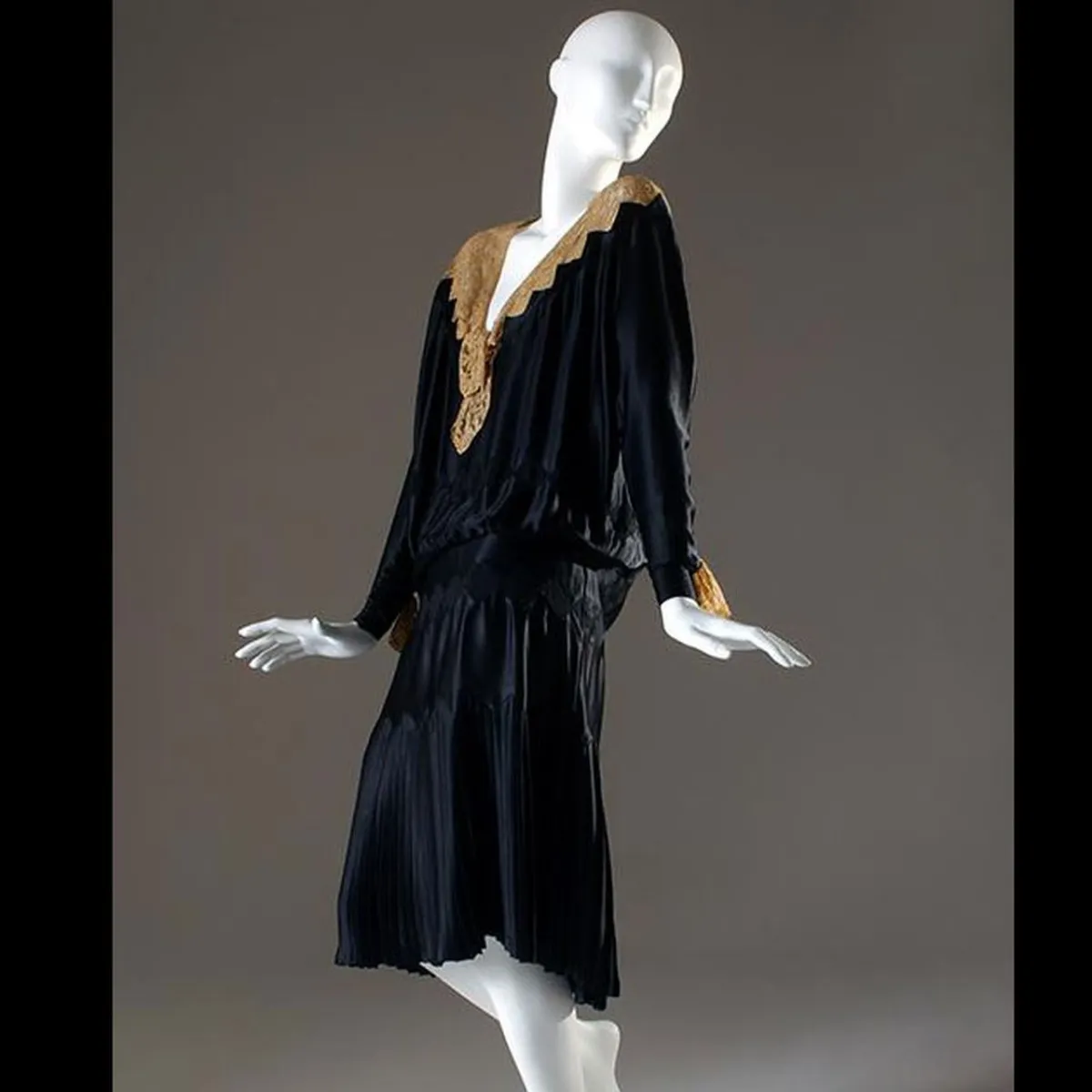 Photo: Coco Chanel, via th-thumbnailer.cdn-si-edu.com
For the first time in history, large numbers of Americans had both disposable income and vacation time. The rise of automobile ownership made beach destinations accessible to the middle class. Florida and California marketed themselves as sunny escapes from industrial cities. Having a tan began to signal that you could afford to vacation somewhere exotic and warm.
The psychology completely reversed. Pale skin now suggested you were trapped indoors, probably working in an office or factory. A deep tan proved you had the time and money to lounge on beaches in Acapulco or Miami. What had once marked the working class now marked the leisure class.
Hollywood's Golden Glow
Hollywood accelerated the transformation. Movie stars like Cary Grant and Rita Hayworth appeared in films with glowing, bronzed skin that suggested health, vitality, and glamour. The California lifestyle became the American ideal, and that lifestyle was fundamentally outdoor and sun-soaked.
Advertisers quickly capitalized on the trend. Coppertone's iconic ads featured a little girl with tan lines and the slogan "Don't be a paleface!" Suntan lotions promised to help you achieve the perfect bronze glow. The tanning industry exploded, selling everything from reflective aluminum loungers to special oils designed to accelerate the tanning process.
By the 1950s, American popular culture had completely embraced sun worship. Beach movies, fashion magazines, and advertising all promoted the idea that tanned skin was healthy, attractive, and sophisticated. The deeper your tan, the more successful and glamorous you appeared.
The Scientific Case Builds
Ironically, just as American culture was embracing intensive sun exposure, medical researchers were beginning to understand its dangers. Studies in the 1930s first suggested links between UV radiation and skin cancer, but this research remained largely confined to medical journals.
The evidence mounted through the 1940s and 1950s. Researchers documented higher rates of skin cancer among outdoor workers and fair-skinned populations in sunny climates. They identified UV radiation as a carcinogen and began understanding how sun damage accumulated over decades.
But this scientific knowledge took years to penetrate popular culture. The tanning craze continued through the 1960s and 1970s, even as dermatologists were quietly treating increasing numbers of skin cancer cases. The gap between scientific understanding and public behavior grew wider each summer.
Peak Tan: The 1970s Baking Culture
The 1970s represented the absolute peak of American sun worship. Tanning oils containing no sun protection became bestsellers. Baby oil mixed with iodine promised to accelerate tanning while adding a glossy sheen. Aluminum foil reflectors directed maximum UV radiation onto sun worshippers who measured successful beach days by the darkness of their tan.
Tanning salons emerged as a year-round solution for maintaining that bronzed glow. These businesses marketed artificial UV radiation as a healthy way to achieve the perfect tan, often claiming their bulbs were safer than natural sunlight—a claim that proved spectacularly wrong.
The cultural pressure to tan became intense. Pale skin was seen as unhealthy, unattractive, and somehow morally deficient. People who couldn't tan easily were encouraged to try harder, stay out longer, or use stronger tanning products. The idea that avoiding the sun might be wise seemed absurd to most Americans.
The Awakening: When Science Finally Spoke Louder
The turning point came in the 1980s and 1990s as skin cancer rates soared and medical evidence became undeniable. High-profile cases—like the melanoma death of reggae star Bob Marley—brought attention to skin cancer's deadly potential. Dermatologists launched public education campaigns explaining how UV radiation damages DNA and causes premature aging.
 Photo: Bob Marley, via wallup.net
The introduction of SPF ratings helped consumers understand sun protection for the first time. Sunscreen technology improved dramatically, offering effective protection without completely blocking tanning. Public health campaigns began emphasizing the dangers of overexposure.
Slowly, American attitudes began shifting again. Tanning remained popular, but "safe tanning" became the goal. People learned about SPF ratings, sought shade during peak hours, and began viewing severe sunburns as mistakes rather than steps toward the perfect tan.
Today's Confusion: SPF 50 and Spray Tans
Modern Americans exist in a strange middle ground between these two extremes. We understand the health risks of UV exposure but still culturally prefer tanned skin. The solution has been artificial tanning—spray tans, bronzing lotions, and controlled UV exposure that promises to minimize cancer risk while maintaining that golden glow.
The sunscreen industry now generates billions in annual revenue, with products offering SPF protection that would have seemed impossibly high to 1970s beach-goers. Parents slather children in SPF 50+ and dress them in UV-protective clothing that covers more skin than Victorian-era beach attire.
Yet tanning salons still operate in most American cities, and many people still pursue natural tans despite understanding the risks. We've developed a complex relationship with sun exposure that balances health concerns against deeply ingrained cultural preferences for bronzed skin.
The Price of Fashion
This complete reversal in American sun culture illustrates how quickly and dramatically social norms can shift. In just forty years, we went from avoiding the sun to worshipping it, then back to careful protection. Each era was convinced its approach was obviously correct.
The health consequences of mid-century sun worship are still emerging. Skin cancer rates continue climbing as Americans who tanned heavily in the 1960s and 1970s reach the age when cumulative sun damage manifests as cancer. The generation that slathered themselves in baby oil and lay on aluminum reflectors is now learning the true cost of that bronzed glow.
Perhaps most remarkably, we've managed to maintain our cultural preference for tanned skin while acknowledging its dangers—a uniquely American solution that involves elaborate workarounds rather than simply changing our beauty standards. We've created an entire industry dedicated to achieving the appearance of sun exposure while avoiding its risks.
The story of American sun culture reveals how powerfully social status drives behavior, often overriding health concerns and scientific evidence. What we consider beautiful, healthy, or desirable can shift completely within a generation, leaving previous eras looking foolish or dangerous in retrospect.
From parasols to baby oil to SPF 50—each era's approach to the sun seemed perfectly rational at the time.