When Public Pools Were Racial Battlegrounds: The Fight for a Swim That Changed America
The Golden Age of Municipal Swimming
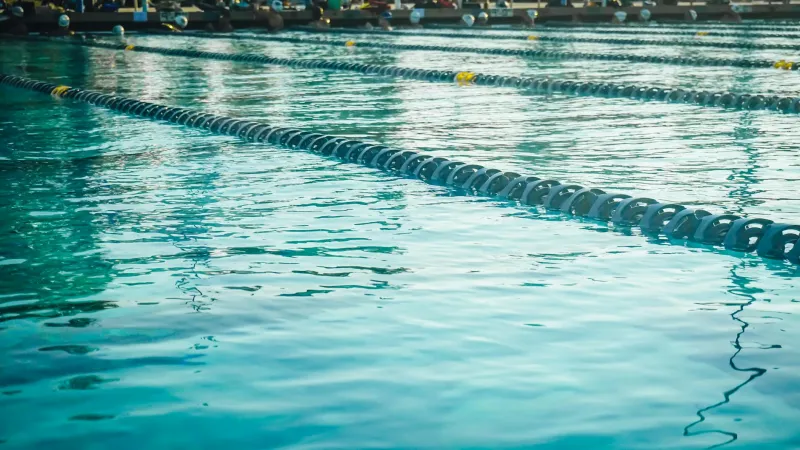
In the 1920s and 1930s, American cities built swimming pools like they were constructing cathedrals. These weren't just holes in the ground filled with water — they were massive public works projects, complete with Art Deco facades, diving platforms that soared three stories high, and filtration systems that could handle thousands of swimmers daily.
Cities like New York, Chicago, and Detroit invested millions in these aquatic palaces. The Astoria Pool in Queens could accommodate 6,200 swimmers at once. Pittsburgh's Highland Park pool featured a sandy beach imported from the Jersey Shore. These weren't just recreational facilities; they were symbols of municipal pride and modern American life.
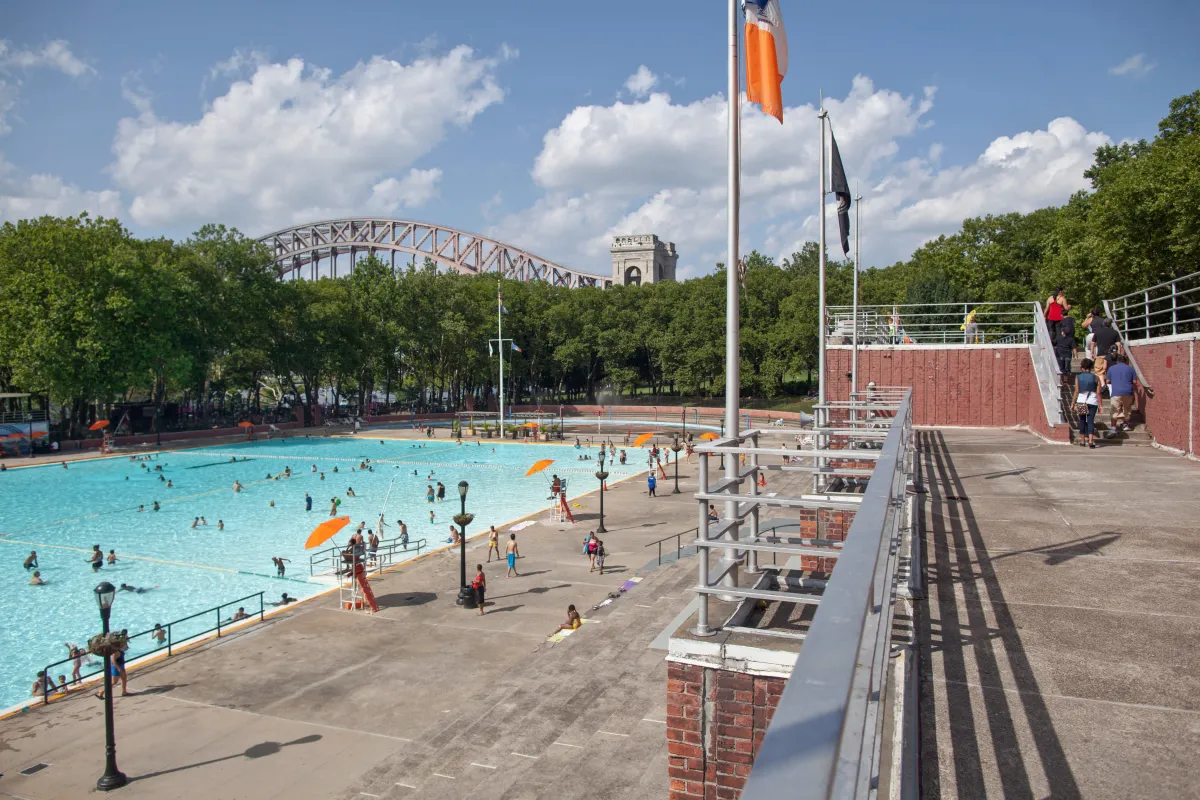 Photo: Astoria Pool, via images.ctfassets.net
But there was one catch that defined everything: the color of your skin determined whether you could enter.
The Invisible Walls Around Water
Across the American South, segregation laws explicitly banned Black Americans from white swimming pools. But even in Northern cities without formal Jim Crow statutes, the message was crystal clear. Pool managers found creative ways to exclude Black swimmers: requiring multiple forms of identification, claiming facilities were "full," or simply posting signs that read "Private Club — Members Only."
When these subtle methods failed, violence often followed. In 1919, a Black teenager named Eugene Williams drifted across an invisible racial boundary while swimming in Lake Michigan. White beachgoers threw rocks until he drowned, sparking the Chicago Race Riot that left 38 dead and 537 injured.
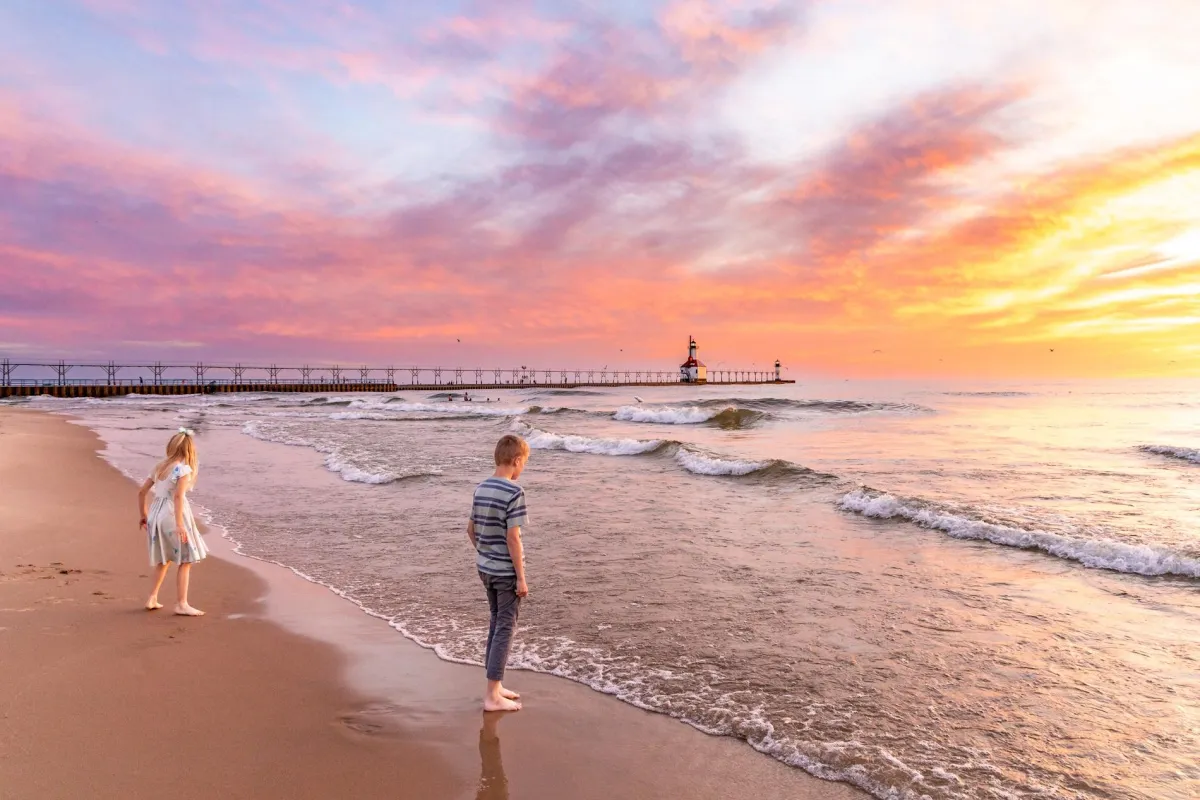 Photo: Lake Michigan, via swmichigan.org
The logic behind pool segregation revealed America's deepest anxieties about race and intimacy. Unlike buses or restaurants, swimming pools involved bodies in minimal clothing, sharing the same water. For white Americans committed to racial hierarchy, this represented an unacceptable level of social equality.
The Chlorine Curtain Cracks
The civil rights movement didn't start at lunch counters — it started in swimming pools. In 1949, the St. Louis NAACP organized "wade-ins" at the city's segregated Fairground Park pool. Black families would arrive in their bathing suits, attempt to enter, face arrest, and return the next day.
 Photo: Fairground Park, via www.tclf.org
These aquatic protests spread across the country throughout the 1950s and early 1960s. In Birmingham, Alabama, Bull Connor's police used the same dogs and fire hoses against Black children trying to swim that they later used against civil rights marchers. The images were equally shocking: uniformed officers dragging families in swimwear away from public facilities their tax dollars had built.
The breakthrough came in 1954, when the Supreme Court's Brown v. Board decision began dismantling "separate but equal" everywhere — including at the pool deck. Cities faced a choice: integrate their swimming facilities or close them entirely.
The Great Pool Exodus
Most chose door number three: privatization.
Rather than allow integrated swimming, white Americans began abandoning public pools en masse. The same municipal facilities that had been sources of civic pride became symbols of unwanted social change. City budgets for pool maintenance mysteriously shrank. Operating hours were reduced. Many pools simply closed "for repairs" that never quite got completed.
Meanwhile, something revolutionary was happening in American suburbs. The backyard swimming pool — once a luxury available only to movie stars and millionaires — suddenly became attainable for middle-class families. New construction techniques and financing options brought pool prices down from $50,000 to $5,000.
By 1970, there were more private pools in Los Angeles County than public pools in the entire United States.
The Privatization of Summer
This shift fundamentally changed how Americans experienced leisure and community. Public pools had been democratic spaces where factory workers' kids swam alongside bankers' children. The lifeguard might be the police chief's daughter, and the swimming instructor could be the town's most respected teacher.
Private pools created something entirely different: curated social experiences. Your backyard pool meant you controlled the guest list, the music, and most importantly, who got to cool off during those brutal summer afternoons.
The economic implications were staggering. A family needed to own a home, have a backyard, and access thousands of dollars in discretionary income just to provide their children with what previous generations had considered a basic municipal service.
The Ripple Effects
Today's statistics tell the story of this transformation. According to the CDC, 64% of African American children cannot swim competently, compared to 40% of white children. This isn't about natural ability or cultural preference — it's the direct result of generations of exclusion from swimming instruction and safe aquatic recreation.
The drowning rate among Black children aged 5-19 is three times higher than among white children. In a country surrounded by water, swimming ability became yet another marker of racial and economic privilege.
Meanwhile, many American cities struggle to maintain the few public pools they still operate. Chicago closed six public pools in 2012. Detroit has eliminated most of its municipal swimming programs. The infrastructure that once represented American civic pride now often symbolizes urban decay.
What We Lost in the Water
The transformation of American swimming culture represents more than changing recreational preferences. It's a case study in how private solutions to public problems create new forms of inequality.
Those grand municipal pools of the 1930s weren't perfect — their segregation was morally indefensible. But they represented an idea that we've largely abandoned: that some experiences should be shared across class and community lines, funded collectively and enjoyed together.
When we moved swimming from the public commons to private backyards, we gained control and lost community. We solved the problem of racial integration by eliminating integration altogether.
Today, as American cities grapple with heat waves intensified by climate change, the absence of accessible public pools isn't just nostalgic — it's a public health crisis. The same communities that were once excluded from municipal pools now often lack any affordable options for cooling off during dangerous heat events.
The battle for America's swimming pools ended not with victory or defeat, but with retreat into private spaces where the old conflicts never had to be resolved. We didn't learn to swim together; we just learned to swim apart.