The Thumb That Built America: When Hitchhiking Was as Normal as Taking the Bus
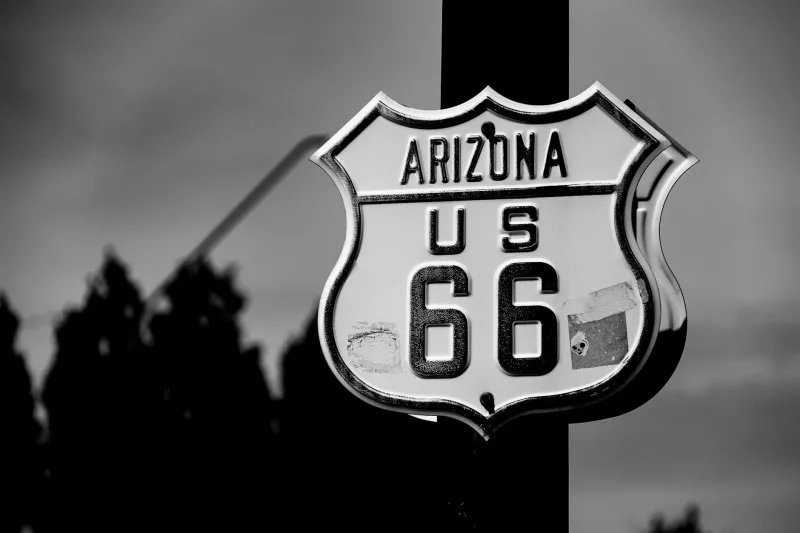
Picture this: It's 1955, and a young woman in a poodle skirt stands on Route 66 with her thumb extended. Within minutes, a family station wagon pulls over, and she climbs into the back seat with strangers who'll drive her 200 miles to her destination. Nobody thinks twice about it.
Today, that same scenario would trigger amber alerts and true crime podcast episodes. But for most of the 20th century, hitchhiking wasn't just acceptable — it was infrastructure.
When Strangers Were Just Friends You Hadn't Met
Between the 1930s and 1970s, hitchhiking operated as America's unofficial public transit system. College students routinely thumbed their way across the country during summer breaks. Soldiers in uniform could count on rides from patriotic civilians. Even business travelers would catch rides between cities when train schedules didn't align.
The numbers tell the story: In 1973, the California Highway Patrol estimated that 2.5 million people hitchhiked through the state annually. That's roughly equivalent to the entire population of Nevada climbing into strangers' cars every year.
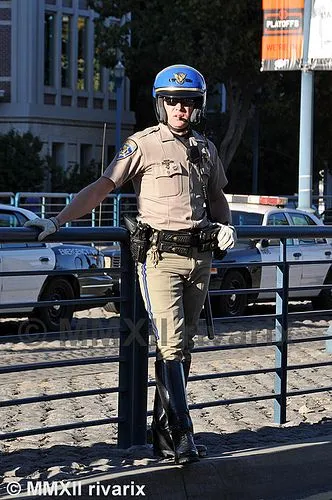 Photo: California Highway Patrol, via i.pinimg.com
This wasn't desperation — it was community. Drivers felt a civic duty to help travelers, while hitchhikers operated under understood codes of conduct. You dressed respectfully, carried minimal luggage, and engaged in polite conversation. Veterans got priority. Women traveling alone were considered especially deserving of assistance.
The Infrastructure of Trust
What made this system work wasn't naivety — it was social architecture. Small-town America operated on networks of mutual recognition and accountability. If someone caused trouble, word spread quickly through tight-knit communities.
Highway rest stops and truck stops served as informal hitchhiking exchanges, complete with bulletin boards where travelers could post ride requests and offers. Some college campuses maintained official ride-sharing boards where students could connect with drivers heading home for holidays.
Even the government participated. During World War II, the Office of Defense Transportation actively encouraged ride-sharing to conserve fuel and rubber. "When you ride alone, you ride with Hitler," proclaimed wartime posters that made sharing rides a patriotic duty.
 Photo: Office of Defense Transportation, via datefromtoday.com
When Crime Became Entertainment
The shift began in the 1960s and accelerated through the 1970s. High-profile crimes involving hitchhikers — both as victims and perpetrators — received intense media coverage. The 1973 movie "The Hitchhiker" and later "The Texas Chain Saw Massacre" crystallized hitchhiking as synonymous with danger in the American imagination.
But the statistics tell a more complex story. FBI data from the 1970s showed that hitchhikers were statistically more likely to be victims than perpetrators of violent crime. The real danger wasn't the hitchhiker — it was the cultural shift that made every stranger a potential threat.
Local governments began banning hitchhiking on highways. By 1980, most states had restricted or prohibited the practice entirely. What had been a normal part of American mobility became illegal almost overnight.
The Rise of Fortress America
The death of hitchhiking coincided with broader changes in American society. Suburbanization meant fewer people walked anywhere, reducing casual interactions with strangers. Two-car families became the norm, eliminating the need to seek rides. Air conditioning made driving with windows up comfortable, literally creating barriers between drivers and potential passengers.
Television brought crime stories into living rooms nightly, creating what researchers call "mean world syndrome" — the perception that danger lurked everywhere, despite statistical evidence to the contrary. The friendly stranger became an oxymoron.
From Thumbs to Apps
Today's rideshare apps like Uber and Lyft represent hitchhiking's digital resurrection — but with crucial differences. Technology has replaced trust as the organizing principle. GPS tracking, digital payment systems, and user ratings create safety through surveillance rather than social bonds.
A modern rideshare interaction involves minimal human connection. Passengers and drivers often complete entire trips without meaningful conversation, staring at phones instead of engaging with each other. The efficiency is remarkable, but something fundamental has been lost.
What We Traded Away
The hitchhiking era represented something profound: a society that defaulted to trust rather than suspicion. People helped strangers because that's what neighbors did, even when those neighbors lived 500 miles away.
This wasn't just about transportation — it was about social fabric. Hitchhiking created unexpected connections across class, regional, and generational lines. A businessman might find himself in deep conversation with a philosophy student, or a farmer might share wisdom with a city kid seeing rural America for the first time.
These encounters shaped American culture in ways we're still discovering. The folk music revival, the counterculture movement, and even the interstate highway system itself were all influenced by the mobility and cross-pollination that hitchhiking enabled.
The Chronicle Shifts
Today, the idea of routinely trusting strangers with your physical safety seems almost quaint. We've gained efficiency, predictability, and measurable safety metrics. We've lost serendipity, forced empathy, and the daily practice of extending trust to people we don't know.
The death of hitchhiking marks more than a change in transportation habits — it represents a fundamental shift in how Americans relate to each other and navigate risk. We've built a safer society, but we've also built a lonelier one.
Sometimes progress isn't just about moving forward. Sometimes it's about recognizing what we left behind on the roadside.