The White Death in Every Glass: How Raw Milk Terrorized American Families for Generations
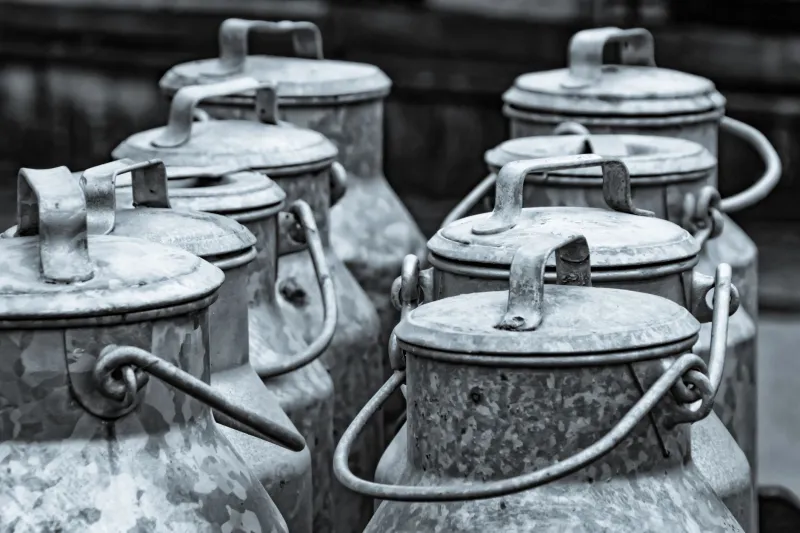
In 1900, if you were a parent in America, giving your child a glass of milk was an act of faith — faith that this particular batch wouldn't kill them. Raw milk, straight from cow to kitchen, was silently spreading tuberculosis, typhoid fever, scarlet fever, and diphtheria through American households. Yet it took nearly half a century of scientific evidence, political battles, and dead children before pasteurization became standard practice across the United States.
The story of milk's transformation from deadly necessity to safe staple reveals just how slowly life-saving science can overcome entrenched interests and cultural resistance.
When Milk Was a Weapon of Mass Infection
Before Louis Pasteur developed his heat treatment process in the 1860s, milk was essentially a bacterial soup waiting to happen. Cows carried tuberculosis, often without visible symptoms. Dairy workers with typhoid or scarlet fever contaminated milk through poor hygiene. Storage in unsanitary conditions allowed deadly pathogens to multiply rapidly.
The numbers were staggering. In New York City during the 1890s, raw milk was responsible for 25% of all food-borne illness outbreaks. Tuberculosis transmitted through milk killed an estimated 65,000 people annually in the United States — most of them children under five whose developing immune systems couldn't fight the infection.
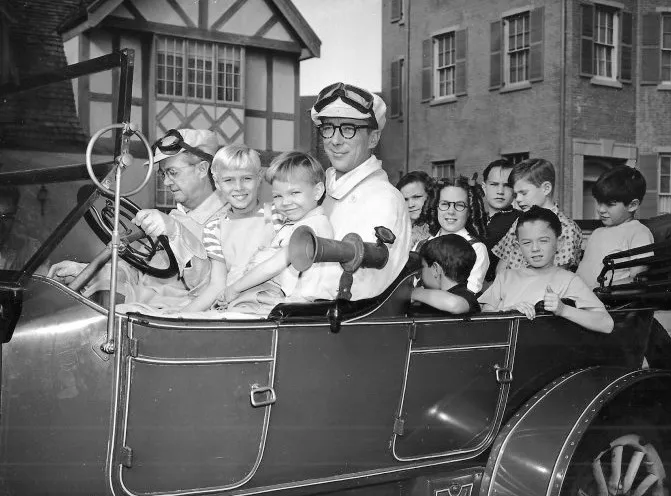
 Photo: New York City, via s3.envato.com
Scarlet fever outbreaks traced to contaminated milk wiped out entire families. In 1885, a single infected dairy in Massachusetts sickened over 600 people with typhoid fever. Parents watched helplessly as children who seemed perfectly healthy after breakfast were dead by dinnertime, victims of bacteria that pasteurization could have eliminated with 30 minutes of gentle heating.
The Dairy Industry's Fierce Resistance
Despite mounting evidence of pasteurization's effectiveness, the dairy industry fought the process for decades. Farmers argued that heating milk destroyed its nutritional value — a claim that persisted despite scientific studies proving otherwise. They insisted that fresh, raw milk was more "natural" and therefore healthier than processed alternatives.
Economic concerns drove much of the resistance. Pasteurization required equipment, training, and standardized procedures that many small dairies couldn't afford. Large commercial dairies that could invest in pasteurization equipment saw an opportunity to dominate the market, making smaller operators even more opposed to mandatory pasteurization laws.
Some dairy associations launched sophisticated propaganda campaigns against pasteurization. They distributed pamphlets claiming that heated milk caused scurvy, rickets, and other diseases. These materials portrayed pasteurization as an industrial conspiracy to weaken American children — ironically, while raw milk was actually killing thousands of those same children every year.
The Medical Profession's Own Civil War
Even doctors were divided on pasteurization for decades. Some physicians embraced the scientific evidence and prescribed only heated milk for their patients, especially infants and children. Others clung to traditional beliefs about raw milk's supposed health benefits.
Dr. Abraham Jacobi, known as the father of American pediatrics, became a fierce advocate for pasteurization after watching too many children die from milk-borne diseases. But other respected physicians argued that pasteurization was unnecessary if dairies simply maintained better sanitary conditions — a theoretical solution that ignored the practical reality of widespread contamination.
 Photo: Dr. Abraham Jacobi, via static.propsearch.ae
This medical disagreement confused parents and policymakers. When doctors couldn't agree on milk safety, how were ordinary families supposed to make informed decisions? Many parents continued giving their children raw milk simply because their family physician hadn't explicitly warned against it.
The Slow March Toward Safety
New York City became one of the first major American cities to require pasteurization, implementing the mandate in 1914 after years of devastating outbreaks. The results were immediate and dramatic: infant mortality rates dropped by 15% within two years, and milk-borne disease outbreaks virtually disappeared.
Other cities watched New York's success with interest, but implementation remained frustratingly slow. Chicago didn't require pasteurization until 1916. Philadelphia waited until 1924. Many rural areas resisted pasteurization requirements well into the 1940s, leaving millions of Americans vulnerable to milk-borne diseases decades after the solution was readily available.
World War II finally accelerated adoption. Military officials, concerned about keeping troops healthy, demanded pasteurized milk for all military installations. The federal government began requiring pasteurization for milk sold across state lines. By 1950, most American milk was finally safe to drink.
The Cultural Battle Over 'Natural' Food
The pasteurization debate reflected deeper American anxieties about industrialization and food processing. Raw milk advocates portrayed their product as wholesome, natural, and connected to traditional farming values. Pasteurized milk, they argued, represented the artificial, industrial corruption of pure food.
This cultural narrative proved remarkably persistent. Even as evidence mounted that pasteurization saved lives without harming nutrition, many Americans continued believing that "natural" automatically meant "better." The dairy industry exploited these beliefs, marketing raw milk as a premium product for health-conscious consumers.
Some religious communities rejected pasteurization on theological grounds, viewing disease as divine will that humans shouldn't interfere with through scientific processes. These beliefs, combined with economic and cultural resistance, created pockets of raw milk consumption that persisted for generations.
Modern America's Milk Safety Revolution
Today's American milk supply represents one of the safest food systems in human history. Pasteurization is so thoroughly integrated into dairy processing that most consumers never think about it. The milk in your refrigerator has been heated to 161°F for at least 15 seconds, a process that eliminates virtually all harmful bacteria while preserving nutritional value.
Modern dairy farms operate under strict federal regulations that would astound 19th-century farmers. Cows receive regular veterinary care, including testing for tuberculosis and other diseases. Milking equipment is sanitized between uses. Storage and transportation systems maintain cold temperatures that prevent bacterial growth.
The transformation is so complete that most Americans have never experienced a milk-borne illness outbreak. Parents give their children milk without fear, unaware that this simple act of nourishment was once a potentially deadly gamble.
The Persistent Raw Milk Movement
Despite overwhelming scientific evidence, raw milk advocacy never completely disappeared. Today's raw milk movement combines old arguments about natural nutrition with new concerns about over-processing and industrial agriculture. Advocates claim that pasteurization destroys beneficial enzymes and probiotics, making milk less healthy.
The Centers for Disease Control estimates that raw milk causes about 150 illnesses annually in the United States — a tiny fraction of historical levels, but still preventable deaths and suffering. Most states prohibit raw milk sales, but some allow it with restrictions, creating a patchwork of regulations that echoes the pre-pasteurization era.
These modern outbreaks serve as reminders of what American families once endured routinely. A 2019 outbreak of antibiotic-resistant Campylobacter linked to raw milk sickened 19 people across four states. In the 1800s, such an outbreak would have been a typical Tuesday.
Lessons from the Pasteurization Wars
The decades-long battle over milk pasteurization offers sobering lessons about scientific progress and public health. Even when life-saving technology exists, adoption can be delayed by economic interests, cultural beliefs, and institutional resistance. The gap between scientific discovery and practical implementation can span generations — during which preventable deaths continue.
Pasteurization worked immediately wherever it was implemented, but full adoption took nearly 80 years after Pasteur's initial discovery. How many children died during those eight decades because adults couldn't agree on basic food safety? The question haunts anyone studying this period of American history.
Yet the story also demonstrates human adaptability and progress. Once pasteurization became standard, it was quickly accepted as normal. Today's parents can't imagine living in an era when milk routinely killed children — just as future generations may struggle to understand our current food safety challenges.
The transformation of milk from deadly risk to safe staple represents one of public health's greatest victories. It's a reminder that the foods we take for granted today — safe, nutritious, and reliably available — represent centuries of scientific advancement, regulatory progress, and hard-won battles against ignorance and vested interests.
Every glass of milk American children drink today stands as a monument to the scientists, doctors, and public health officials who refused to accept that food should be dangerous. Their persistence saved millions of lives and transformed one of humanity's oldest foods from a gamble into a guarantee.