When 65 Meant You Kept Working Until You Couldn't: How America Invented the Golden Years
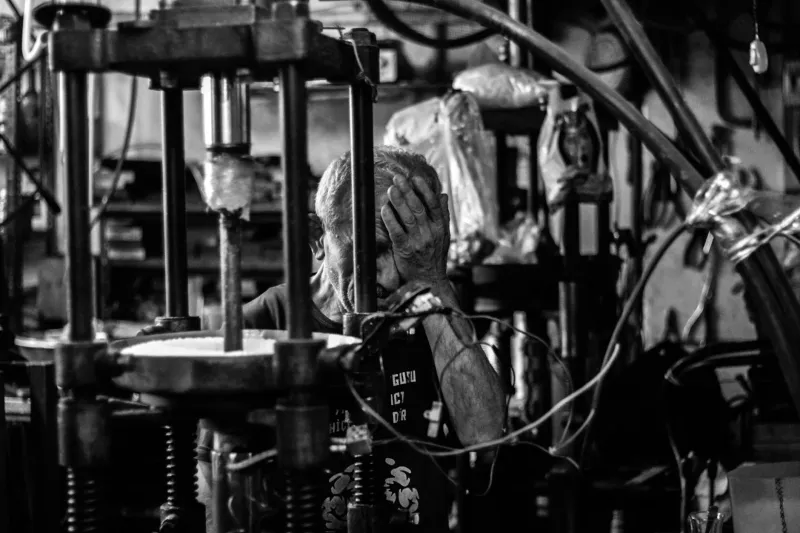
Your great-grandfather probably never retired. If he lived to 65 — and many didn't — he likely kept working until his body gave out, then depended on family charity or faced destitution. The idea that old age could be a time of leisure, travel, and financial security would have seemed as fantastical to him as space travel. What we consider the normal American retirement is actually a brief historical anomaly, a golden age that lasted roughly from 1960 to 2010 and may already be ending.
The Grim Reality of Growing Old in America
In 1900, only 4% of Americans lived to see their 65th birthday. Those who did rarely stopped working by choice. Most elderly Americans lived in poverty, with nearly 50% of seniors classified as poor as late as 1959. The phrase "over the hill" wasn't a gentle joke about aging — it reflected the harsh reality that older workers were considered economically worthless.
Farms and family businesses kept older workers productive longer, but industrialization made age a liability. Factory owners preferred younger, stronger workers who could handle dangerous machinery and long hours. Older employees were often the first fired during economic downturns and the last hired when conditions improved.
Without Social Security, employer pensions, or Medicare, growing old meant facing a stark choice: keep working until you physically couldn't, or become a burden on your children. Many elderly Americans lived in multi-generational households not by choice, but by economic necessity. Nursing homes were primarily for the indigent and mentally ill — places of last resort that families avoided at all costs.
When Retirement Was Only for the Wealthy
Before 1935, retirement was a luxury available only to the wealthy elite. Successful businessmen might step back from daily operations in their 60s, living off accumulated wealth or business income. Government workers in a few states had early pension systems. But for the vast majority of Americans, the concept of stopping work while still healthy was economically impossible.
Even among the wealthy, retirement was often viewed as unnatural or morally questionable. The Protestant work ethic that built America considered idleness sinful, regardless of age. Men who stopped working were sometimes seen as lacking character or purpose. The idea that society owed its elderly citizens support simply for reaching a certain age was largely foreign to American culture.
Life expectancy statistics tell the story starkly: in 1900, the average American lived to 47. Those who survived childhood diseases, workplace accidents, and limited medical care might reach their 60s, but they were a small minority. Planning for decades of post-work life wasn't necessary because those decades rarely existed.
The Social Security Revolution
Franklin Roosevelt's Social Security Act of 1935 didn't create retirement — it created the possibility of retirement for ordinary Americans. But the system was designed conservatively, with benefits beginning at age 65 when most workers were already dead or close to it. The program was intended as a safety net for the unlucky few who outlived their working years, not as universal retirement funding.
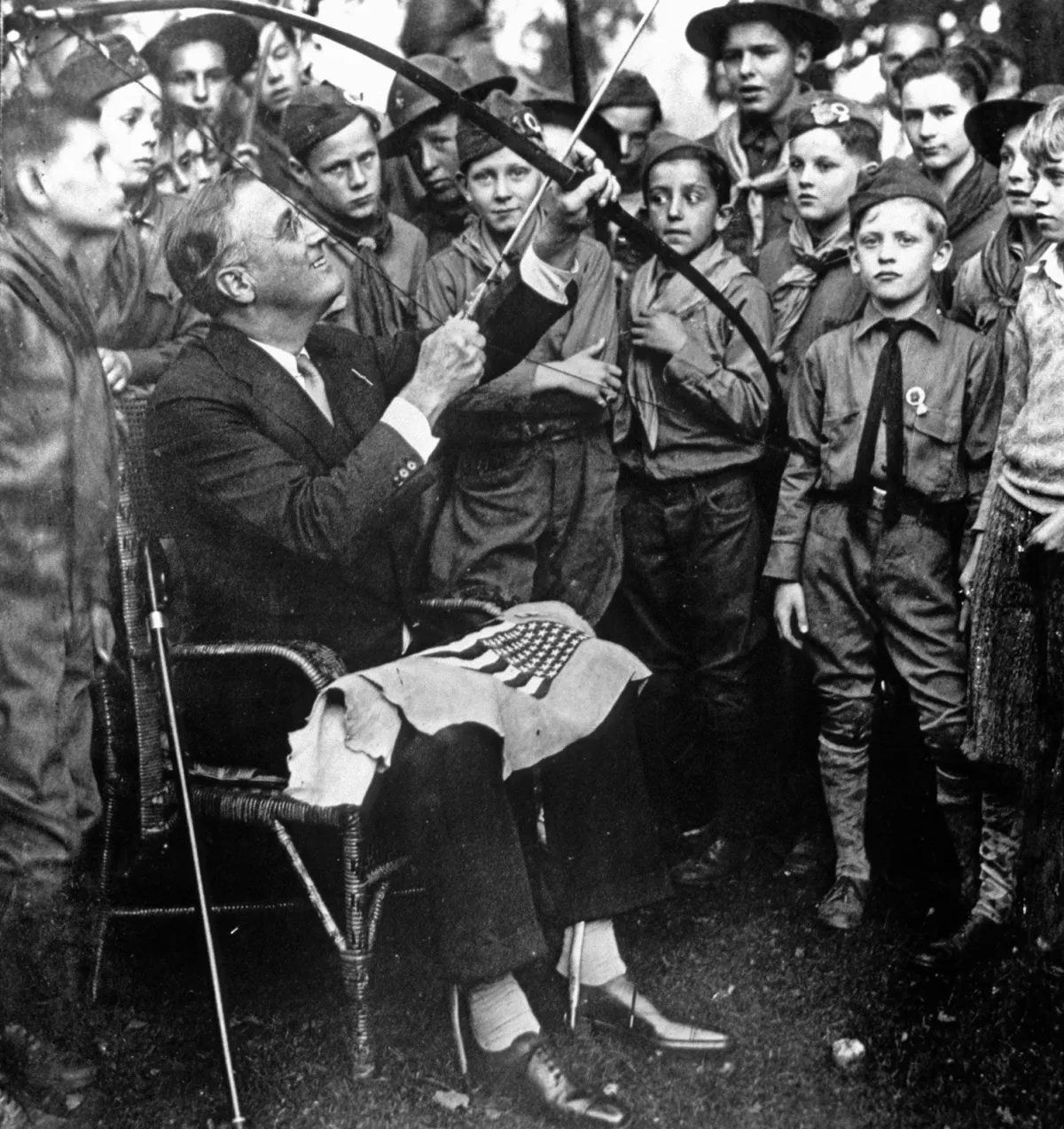 Photo: Franklin Roosevelt, via cdn.britannica.com
Early Social Security benefits were modest, providing basic survival income rather than comfortable living. Recipients were expected to supplement government benefits with family support, savings, or continued part-time work. The idea that Social Security alone could fund a middle-class retirement lifestyle developed gradually as benefits expanded and life expectancy increased.
By the 1950s, something remarkable was happening: significant numbers of Americans were living long enough to collect Social Security for years or even decades. This created an unprecedented situation in human history — large populations of healthy, financially supported elderly people with time on their hands.
The Birth of the Golden Years
The 1960s through 1980s represented retirement's golden age in America. Social Security benefits had expanded significantly, employer pensions became common in union jobs, and Medicare provided health security. For the first time in American history, millions of working-class people could realistically plan to stop working at 65 and maintain decent living standards.
This period saw the invention of retirement culture. Florida became a destination for retirees seeking warm weather and low living costs. Retirement communities sprouted across the Sunbelt. Travel industries developed packages specifically for seniors with time and modest budgets. The American Association of Retired Persons (AARP) grew into a political powerhouse advocating for senior interests.
 Photo: American Association of Retired Persons, via s3.amazonaws.com
Employer pensions reached their peak during this era, with many large corporations offering defined benefit plans that guaranteed specific monthly payments for life. Combined with Social Security and Medicare, these "three-legged stools" of retirement security allowed millions of Americans to experience something their ancestors never imagined: decades of life without work-related stress.
The Retirement Lifestyle Revolution
Retirement became its own life stage with distinct cultural markers. Retirees bought RVs for cross-country travel, took up hobbies they'd deferred during working years, and became active in community organizations. Golf courses proliferated to serve the new leisure class. Adult education programs attracted seniors pursuing interests they'd never had time for.
The economic impact was enormous. Entire industries developed around serving retirees: senior-friendly housing, age-targeted consumer goods, and leisure services. States competed for retiree populations, recognizing their economic value as consumers with steady incomes and time to spend.
Retirement parties became major workplace celebrations, marking the transition from productive worker to honored elder. The gold watch became a symbol of successful career completion. Retirement planning emerged as a financial services specialty, with advisors helping workers accumulate enough wealth to fund 20-30 years of non-working life.
The Cracks in the System
By the 1990s, warning signs appeared. Corporate America began shifting from defined benefit pensions to 401(k) plans, transferring investment risk from employers to employees. Many workers proved unable or unwilling to save adequately for retirement, particularly as wages stagnated and living costs rose.
Life expectancy continued increasing, meaning retirement funds needed to last longer than originally planned. Healthcare costs exploded, even with Medicare coverage. Social Security faced long-term funding challenges as baby boomers reached retirement age. The three-legged stool of retirement security became increasingly wobbly.
The 2008 financial crisis devastated retirement accounts and home values, forcing many near-retirees to delay retirement plans. Younger workers began doubting whether traditional retirement would be available to them, with surveys showing millennials expecting to work into their 70s.
The Return to Working Until You Drop
Today's employment statistics would look familiar to Americans from 1900. Labor force participation among workers over 65 is at its highest level since the 1960s, with many seniors working not by choice but by economic necessity. The phrase "retirement" is being replaced by "working longer" in financial planning discussions.
Modern seniors face challenges their 1970s counterparts never imagined: depleted 401(k) accounts, reduced employer health benefits, and Social Security that covers a smaller percentage of living expenses. Many discover that the retirement lifestyle they expected requires far more savings than they accumulated during their working years.
The gig economy has created new opportunities for older workers but also new insecurities. Instead of guaranteed pensions, many seniors cobble together income from part-time work, consulting, and side hustles. The clear boundary between working and retirement has blurred into a gradual transition that may never fully end.
What We've Learned About Aging
The brief era of American retirement taught us valuable lessons about human potential in later years. Given financial security and good health, people in their 60s, 70s, and beyond proved capable of remarkable creativity, learning, and contribution. Retirement revealed that age alone doesn't determine productivity or value.
We also learned that retirement security requires careful planning and broad social support. The generation that enjoyed the most comfortable retirements had strong unions, employer pensions, and expanding Social Security benefits. As those supports weakened, retirement security eroded for subsequent generations.
Most importantly, we learned that retirement isn't a natural human condition — it's a social invention that requires sustained economic and political commitment. The golden years weren't inevitable; they were created through specific policy choices and economic conditions that may not be repeatable.
The New Reality of Aging in America
Today's older Americans are pioneering new models of aging that blend work, leisure, and service. Some continue careers by choice, finding meaning and identity in continued productivity. Others work by necessity, struggling to maintain living standards on inadequate retirement savings.
The health benefits of remaining active and engaged are now well-documented, suggesting that complete retirement may not be optimal for everyone. But the difference between choosing to work and being forced to work remains crucial for dignity and wellbeing in later years.
As America grapples with an aging population and retirement funding challenges, we're essentially returning to the historical norm where most people work until they can't. The difference is that we now know what's possible when society chooses to support its elderly citizens in comfort and security.
The golden years of American retirement may prove to have been a brief, shining moment in history — a time when ordinary people could expect to spend their final decades in leisure and security. Whether future generations will experience anything similar depends on choices we're making today about the kind of society we want to be.