From Death Row to Recovery Room: The Medical Miracle That Rewrote America's Cancer Story
The Whispered Diagnosis
In 1955, Dr. Margaret Harrison did something that would seem unthinkable to modern physicians: she lied to her patient. When 42-year-old Robert Chen's biopsy came back positive for lung cancer, Dr. Harrison told his wife first, then suggested they "keep this between us for now." The reasoning was simple — there was nothing they could do anyway, so why burden him with the knowledge?
 Photo: Dr. Margaret Harrison, via media.tate.org.uk
This wasn't medical malpractice. It was standard practice. In the 1950s, most American doctors believed that telling cancer patients the truth would only accelerate their psychological decline. The five-year survival rate for all cancers combined hovered around 34%. A cancer diagnosis was, quite literally, a death sentence delivered in hushed tones.
When Treatment Meant Suffering Without Hope
The few treatments available in the 1950s were medieval by today's standards. Surgery meant cutting away massive chunks of healthy tissue along with tumors, often leaving patients permanently disfigured. The radical mastectomy — which removed the entire breast, chest muscles, and lymph nodes — was considered the gold standard for breast cancer, despite leaving women with arms they could barely lift.
Radiation therapy existed, but the equipment was so primitive that it often caused more cancer than it cured. Chemotherapy was in its absolute infancy, with doctors essentially poisoning patients and hoping the cancer died before the patient did. Most cancer wards resembled hospices more than treatment centers.
Robert Chen received what passed for aggressive treatment: they removed half his lung and gave him radiation that burned his skin black. He died eight months later, weighing 89 pounds.
The Science That Changed Everything
The transformation didn't happen overnight — it unfolded across decades of breakthrough discoveries that fundamentally changed how medicine approaches cancer. The revolution began in the 1960s when researchers finally understood that cancer wasn't one disease but hundreds of different diseases requiring different treatments.
The development of combination chemotherapy in the 1970s turned the tide. Instead of using single drugs that cancer cells could easily resist, doctors learned to attack tumors with multiple medications simultaneously. Childhood leukemia, once 100% fatal, suddenly became 90% curable.
Mammography, introduced widely in the 1980s, meant breast cancer could be caught when tumors were still smaller than a pea. CT scans, MRIs, and PET scans gave doctors X-ray vision into the human body. By the 1990s, targeted therapies began attacking specific genetic mutations that fuel different cancers.
The Numbers Tell an Incredible Story
Today's cancer statistics would seem like fantasy to Dr. Harrison's generation. The overall five-year survival rate has climbed from 34% to 68%. For many specific cancers, the improvements are even more dramatic:
- Breast cancer survival jumped from 63% to 91%
- Prostate cancer went from 43% to 98%
- Childhood leukemia survival skyrocketed from 4% to 90%
- Hodgkin's lymphoma survival increased from 40% to 88%
These aren't just statistics — they represent millions of Americans who are alive today because they were born in the right era.
A Different Kind of Conversation
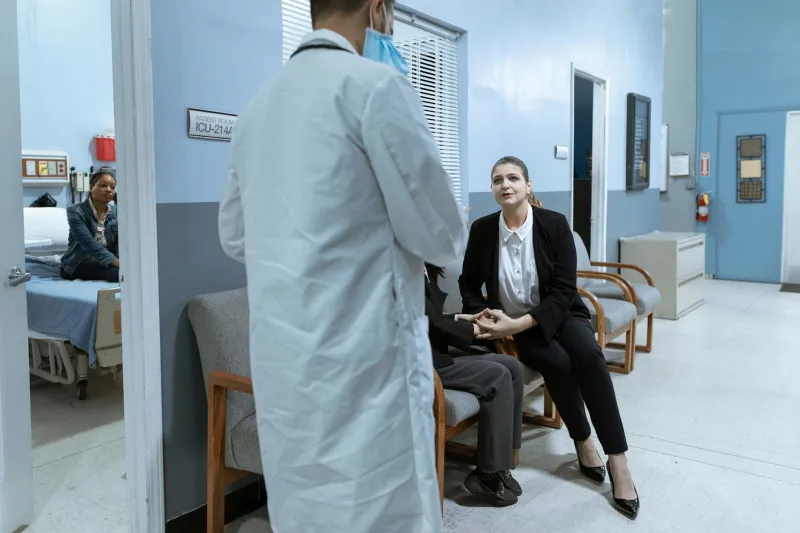
When Sarah Martinez received her breast cancer diagnosis in 2023, the conversation with her oncologist couldn't have been more different from Robert Chen's experience. Dr. Williams pulled up her tumor's genetic profile on a tablet, explaining exactly which mutations were driving the cancer's growth and which targeted therapy would likely work best.
"We caught this early," Dr. Williams explained, "and your specific tumor type responds very well to treatment. I expect you to live a completely normal lifespan." The appointment included a detailed discussion of treatment options, side effects, and Sarah's preferences for managing her care.
Sarah's treatment involved precise, tumor-specific chemotherapy, followed by surgery that removed only the cancerous tissue, then radiation delivered with pinpoint accuracy that spared healthy cells. She kept working throughout most of her treatment and never lost her hair.
The Quiet Revolution in Cancer Care
Perhaps the most remarkable change is how routine cancer treatment has become. Modern cancer centers look more like luxury hotels than hospitals, complete with WiFi, meditation rooms, and gourmet cafeterias. Patients often drive themselves to chemotherapy sessions and return to work the same day.
Immunotherapy — training the patient's own immune system to attack cancer — has turned some terminal diagnoses into chronic conditions managed with regular medication. Former President Jimmy Carter, diagnosed with metastatic melanoma at age 90, is still building houses for Habitat for Humanity years later.
 Photo: Habitat for Humanity, via cdn.freebiesupply.com
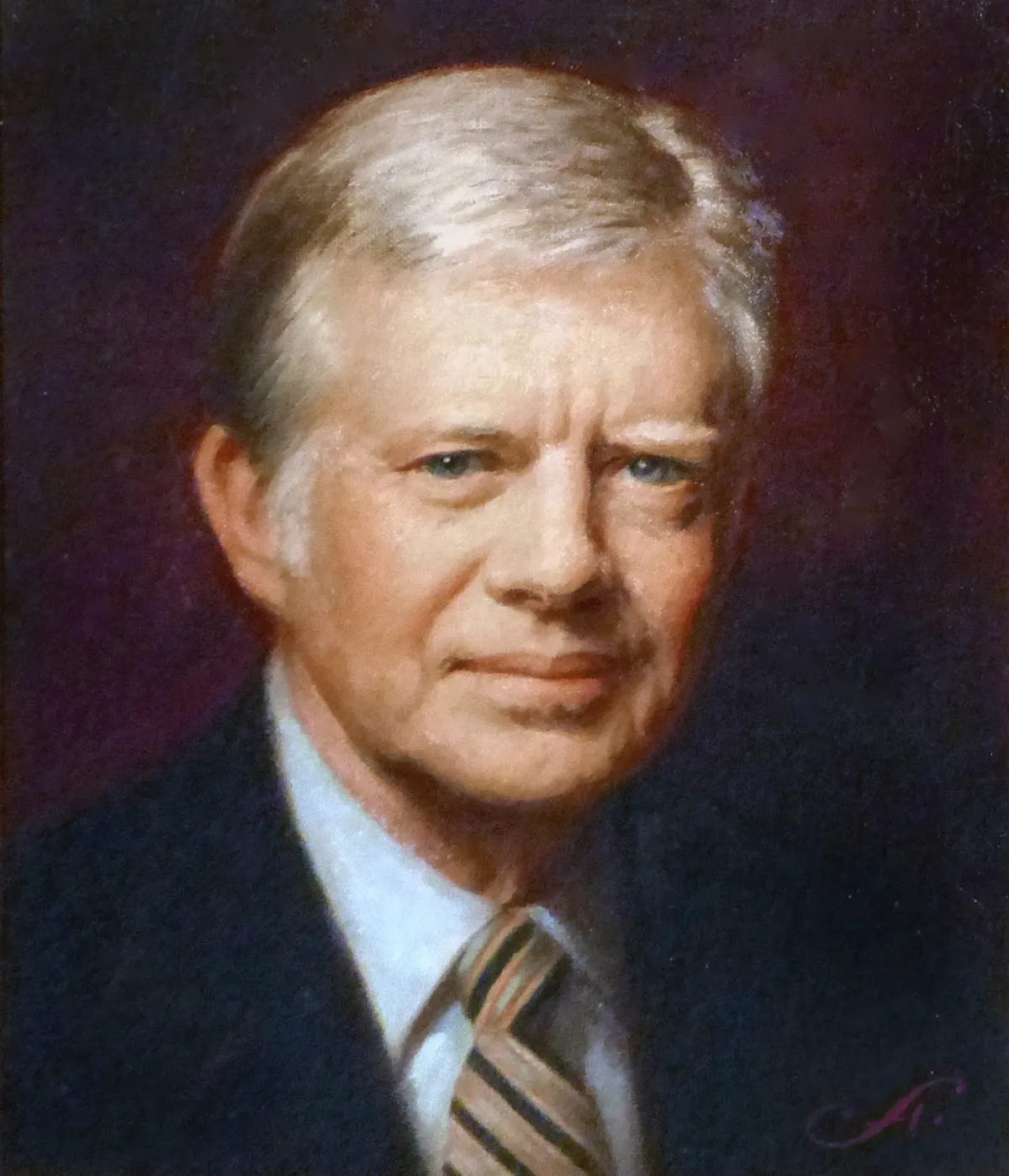 Photo: Jimmy Carter, via 2.bp.blogspot.com
What Made the Difference
The transformation came from multiple directions simultaneously. The National Cancer Act of 1971 poured billions into research. Clinical trials became standardized, allowing treatments to be tested systematically across thousands of patients. The Human Genome Project unlocked cancer's genetic secrets.
Equally important was the cultural shift toward patient empowerment. Cancer patients today are partners in their treatment, not passive recipients of medical judgment. Support groups, online communities, and patient advocacy organizations ensure that no one faces cancer alone.
The Distance We've Traveled
Robert Chen's grandson was diagnosed with the same type of lung cancer in 2022. Unlike his grandfather, he knew his diagnosis immediately, understood his treatment options completely, and had access to targeted therapy specifically designed for his tumor's genetic profile. He's currently cancer-free and expects to remain so.
The distance between 1955 and today represents one of medicine's greatest victories — the transformation of cancer from a whispered death sentence into a condition that, while serious, no longer automatically means the end of the story. For millions of American families, that transformation has meant the difference between goodbye and see you tomorrow.