The Age of Agony: When Going to the Dentist Could Actually Kill You
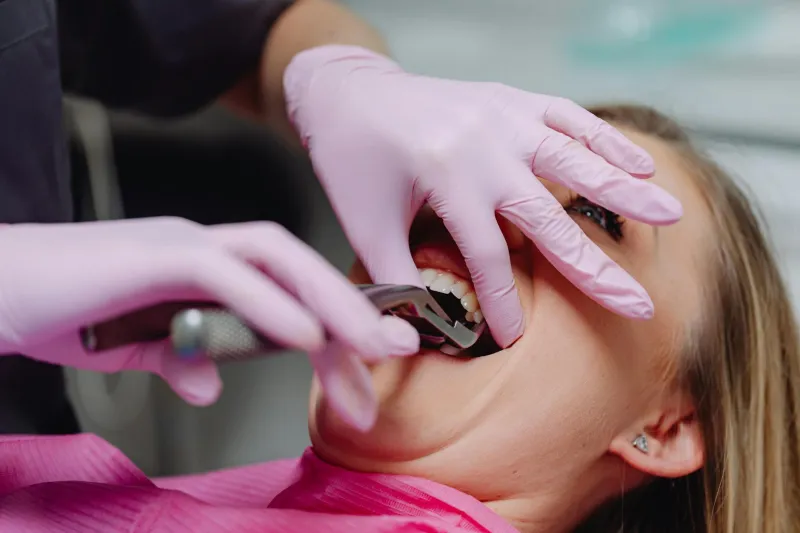
Imagine walking into your dentist's office and being handed a shot of whiskey and a leather strap to bite down on. No numbing shots, no gentle reassurance — just raw, excruciating pain as someone yanks infected teeth from your skull with crude metal tools. For most of American history, this nightmare scenario wasn't a horror movie — it was Tuesday afternoon at the local tooth-puller.
When Barbers Were Your Best Bet for Dental Care
Before the Civil War, there was no such thing as a dentist as we know them today. Instead, Americans turned to whoever had the strongest hands and sharpest tools: blacksmiths, barbers, and traveling "tooth drawers" who set up shop at county fairs. These practitioners had no medical training whatsoever. They simply grabbed infected teeth with crude forceps and yanked until something gave way — hopefully the tooth, not your jaw.
The lucky patients passed out from pain. The unlucky ones remained conscious through procedures that would make modern torture seem merciful. Infection killed more people than the original tooth problem, since nobody understood sterilization or antibiotics. A simple cavity could easily become a death sentence.
The Wedding Gift Nobody Wanted (But Everyone Expected)
By their wedding day, most Americans expected to lose every tooth in their head within a decade. This wasn't pessimism — it was mathematical certainty. Sugar was becoming more common in American diets, but dental hygiene remained virtually nonexistent. Toothbrushes were rare luxury items, and the concept of preventive care didn't exist.
Dentures became such a common necessity that parents often gave them as wedding gifts to their children. George Washington's famous wooden teeth were actually carved from hippopotamus ivory and human teeth — a premium set that cost more than most Americans earned in a year. The wealthy had options; everyone else simply went toothless.
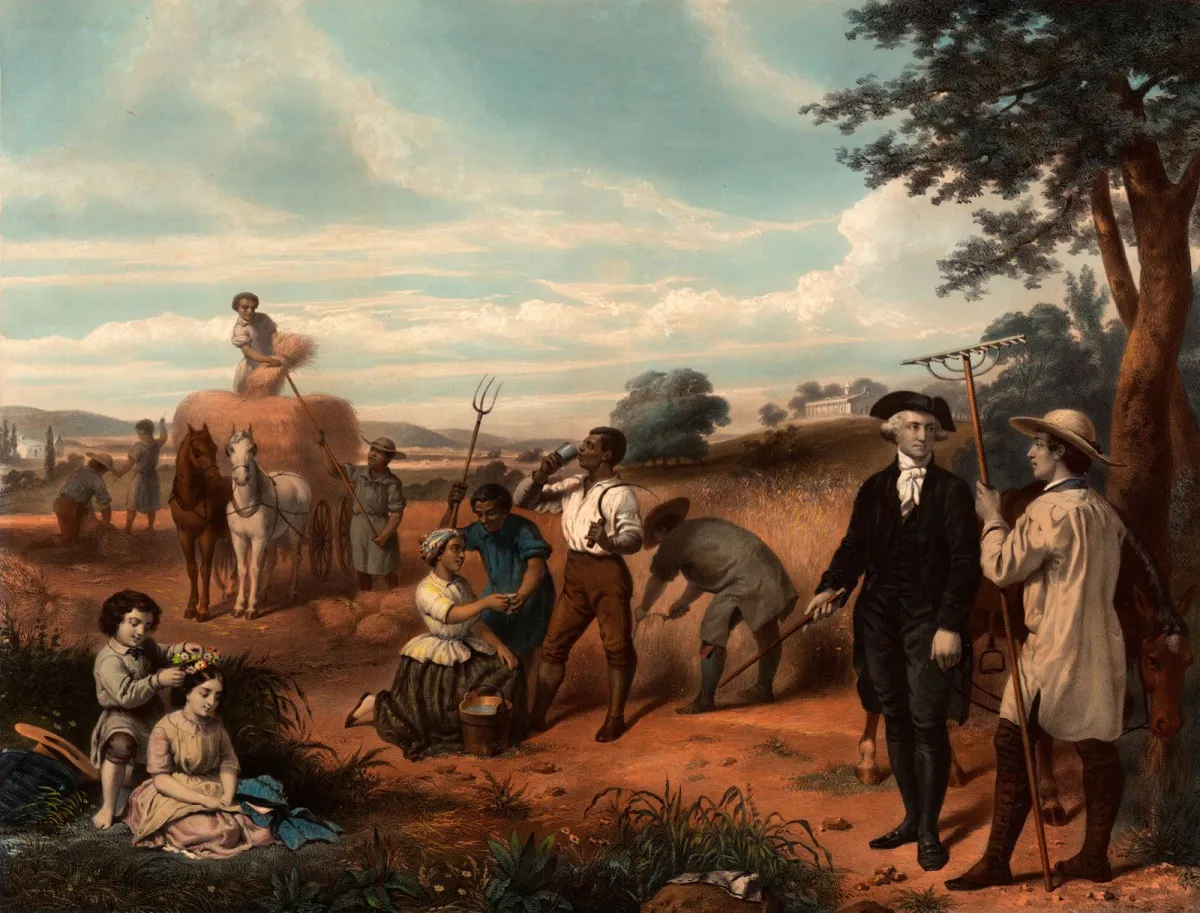 Photo: George Washington, via cdn.britannica.com
The psychological impact was devastating. Americans learned to smile with their mouths closed, speak carefully to avoid whistling through gaps, and eat soft foods exclusively. Tooth loss wasn't just a medical problem — it marked you as poor, old, or unlucky in a society where appearance determined opportunity.
The Miracle of Not Feeling Your Tooth Being Ripped Out
Everything changed in 1844 when dentist Horace Wells experimented with nitrous oxide during his own tooth extraction. For the first time in human history, major dental work could happen without conscious suffering. Wells' first public demonstration failed spectacularly when his patient screamed in agony, but the concept took hold.
 Photo: Horace Wells, via imgv2-2-f.scribdassets.com
By the 1880s, cocaine had become the anesthetic of choice for dental procedures — yes, the same cocaine we now consider an illegal drug. Dentists would inject pure cocaine directly into patients' gums, creating complete numbness but also occasional heart attacks and overdoses. Still, most patients considered the risk worthwhile compared to the alternative of conscious tooth extraction.
Novocaine, introduced in 1905, finally provided safe, reliable anesthesia. Suddenly, dental work transformed from medieval torture into tolerable medical care. Americans began visiting dentists for problems beyond emergency extractions.
How America Accidentally Solved Tooth Decay
The real revolution came from an unexpected source: public water systems. In the 1930s, scientists noticed that people living near natural fluoride deposits had significantly fewer cavities. This discovery led to water fluoridation programs that began in Grand Rapids, Michigan, in 1945.
 Photo: Grand Rapids, Michigan, via c8.alamy.com
The results were staggering. Within a generation, childhood tooth decay dropped by more than 60 percent across fluoridated communities. Americans who grew up drinking fluoridated water simply didn't experience the epidemic tooth loss that had plagued their grandparents. What had been an inevitable part of aging became increasingly rare.
The Technology That Changed Everything
Modern dental equipment would seem like science fiction to our ancestors. Electric drills replaced hand-cranked versions that took forever and caused excruciating vibrations. X-rays revealed problems before they became emergencies. Dental implants meant tooth loss no longer had to be permanent.
Today's preventive approach — regular cleanings, fluoride treatments, and early intervention — was unthinkable when dentistry meant emergency extraction. The average American now keeps most of their natural teeth for life, something that would have seemed miraculous to previous generations.
The Mouth-Body Connection We Never Understood
Perhaps most shocking is what we now know about oral health's connection to overall wellness. Those infected teeth that our ancestors simply endured were literally poisoning their bloodstreams, contributing to heart disease, stroke, and diabetes complications. The chronic pain and infection that Americans accepted as normal were slowly killing them in ways they never understood.
Modern research shows that good dental hygiene can add years to your life — making our ancestors' resigned acceptance of tooth loss even more tragic in retrospect.
Taking the Miracle for Granted
When you sit in a modern dental chair, nitrous oxide flowing, novocaine numbing your jaw while a precision drill removes decay with minimal discomfort, you're experiencing something that would have seemed like pure magic to Americans just 150 years ago. The routine cleaning that you might postpone or complain about represents centuries of medical advancement and scientific discovery.
Our ancestors would have given anything for the routine dental care we now take for granted — or sometimes avoid altogether. The next time you're dreading a dental appointment, remember: you're about to experience a medical miracle that previous generations literally died wishing for.