The Terrifying Minutes When America Had No Emergency Number
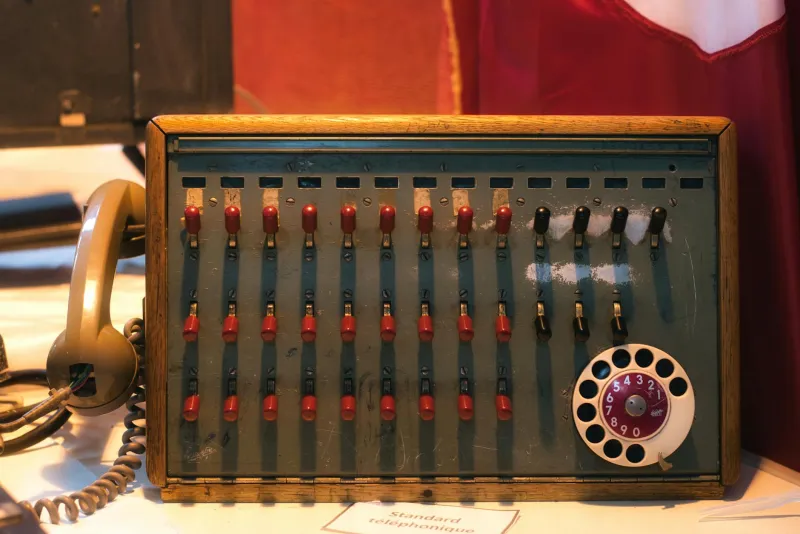
It's 2 AM in 1965. Your neighbor's house is on fire. You grab the phone, dial the operator, and wait. And wait. When someone finally answers, you have to explain where you are, what's happening, and hope they can connect you to the right fire department. By the time trucks arrive, the house is gone.
This wasn't some rural nightmare — this was everyday America before 911 existed.
The Chaos Before the Code
For the first 200 years of American history, emergency response was a terrifying game of telephone tag. Every city, county, and township had different numbers for police, fire, and ambulance services. Some used seven-digit numbers. Others used four. Many required you to call an operator first, who might or might not know the right number for your specific emergency.
In New York City alone, there were over 100 different emergency numbers depending on your neighborhood and the type of crisis. Chicago had 15 separate fire department numbers. Los Angeles required callers to know which police division covered their street address. Get it wrong, and precious minutes evaporated while they transferred your call — if they bothered to transfer it at all.
 Photo: New York City, via wallpapercave.com
Panic made everything worse. Heart attack victims' families fumbled through phone books with shaking hands. Car accident witnesses stood helplessly at payphones, unsure which number to dial. In rural areas, reaching emergency services often meant calling a local operator who might not even be on duty.
When Seconds Meant Everything
The medical community knew this system was killing people. Brain damage from heart attacks begins after four minutes without oxygen. House fires double in size every minute. Yet the average American emergency call in 1965 took over eight minutes just to reach the right dispatcher.
Ambulance services were particularly chaotic. Many cities relied on funeral homes to transport emergency patients — the same vehicles that carried dead bodies also carried the dying. These "ambulances" had no medical equipment, no trained personnel, and no radio contact with hospitals. They were essentially hearses with sirens.
Police response suffered too. Domestic violence calls got routed through city hall. Traffic accidents went to highway patrol, but only if you knew the right number. Robberies in progress often required calling the main police station and hoping someone answered the phone.
The Tragedy That Changed Everything
The push for a universal emergency number gained urgency after a horrific incident in 1957. A fire broke out in a Chicago elementary school. Teachers and neighbors made frantic calls to multiple numbers, but confusion over which fire department had jurisdiction delayed response by nearly 15 minutes. Ninety-two children and three nuns died.
The Federal Communications Commission began studying emergency communications, but progress crawled. Phone companies worried about costs. Local governments fought over jurisdiction. Police chiefs argued that a single number would overwhelm their systems.
Then, in 1967, President Johnson's Commission on Law Enforcement recommended a single emergency number for the entire country. The phone industry, facing pressure from Washington, agreed to cooperate.
Birth of 911
Choosing the actual number sparked surprising debate. The FCC wanted something short, easy to remember, and unlikely to be dialed accidentally. They considered 911, 999, and even 411.
911 won because it was brief, started with 9 (which accessed long-distance lines on most phones), and was unlikely to be pocket-dialed. The first 911 call was placed in Haleyville, Alabama, on February 16, 1968. It was a test call, but it worked.
 Photo: Haleyville, Alabama, via i.ytimg.com
Rollout was painfully slow. By 1979, only 26% of Americans had access to 911. Rural areas lagged decades behind cities. Some regions didn't get 911 service until the 1990s.
The Technology Revolution
Early 911 systems were primitive by today's standards. Dispatchers had no idea where calls originated — you had to provide your own address, assuming you knew it. Enhanced 911, introduced in the 1980s, automatically displayed the caller's location and phone number.
Cellphones created new challenges. A 911 call from a mobile phone might route to any nearby dispatch center, regardless of jurisdiction. GPS integration didn't arrive until the late 1990s, and even today, indoor location accuracy can be problematic.
The real breakthrough was computer-aided dispatch. Instead of writing notes on paper, dispatchers could instantly access maps, unit locations, and medical protocols. Response times plummeted from an average of 14 minutes in 1970 to under 7 minutes today.
What 911 Actually Saved
The numbers tell the story. Cardiac arrest survival rates doubled in cities that implemented 911 quickly. Fire deaths dropped by 40% within five years of 911 adoption. Emergency response times improved so dramatically that paramedics could now save patients who would have died under the old system.
But 911 saved more than lives — it saved sanity. Americans no longer needed to memorize multiple emergency numbers or hope an operator could help. Parents could teach their children a single number that would work anywhere in the country. Travelers didn't need to research local emergency procedures.
The Modern Miracle We Take for Granted
911 now handles over 240 million calls per year. Dispatchers can pinpoint your location within meters, access your medical history, and coordinate response from multiple agencies simultaneously. What once required desperate phone book searches now happens with three digits and a button press.
Next-generation 911 systems accept text messages, photos, and video calls. If you can't speak during an emergency, you can text for help. If you're witnessing a crime, you can stream video directly to police.
Yet we've become so accustomed to instant emergency response that we've forgotten how terrifying life was without it. Every 911 call represents a small miracle of coordination that would have been impossible just 60 years ago.
Three Digits That Transformed America
Before 911, emergencies were lonely, chaotic affairs where help might never arrive. Today, professional assistance is three digits away, 24 hours a day, anywhere in America.
The next time you see those three numbers, remember the decades when Americans faced crises alone, armed only with outdated phone books and prayers that someone, somewhere, would answer their call for help. 911 didn't just improve emergency response — it gave Americans the confidence that help would always be just a phone call away.