In January 1920, a middle-class family in Minneapolis ate essentially the same meal every night: salt pork, potatoes from the root cellar, and maybe some canned vegetables they'd preserved the previous summer. Fresh fruit was a memory from autumn. Green vegetables were something you dreamed about until spring arrived to save you. What you ate in winter wasn't determined by your preferences or even your budget—it was dictated by what could survive months without refrigeration and how far you lived from warm climates.
Today, that same Minneapolis family's descendants can walk into any grocery store in the dead of winter and choose from strawberries shipped from California, avocados from Mexico, and asparagus flown in from Peru. We take this abundance so completely for granted that most Americans can't imagine food being limited by season or geography.
When Distance Meant Everything
Before refrigerated transportation, the American diet was brutally local and seasonal. If you lived in Maine, you ate lobster and potatoes. If you lived in Kansas, you ate wheat and beef. If you lived in Florida, you had access to citrus and winter vegetables that made you the envy of the frozen North.
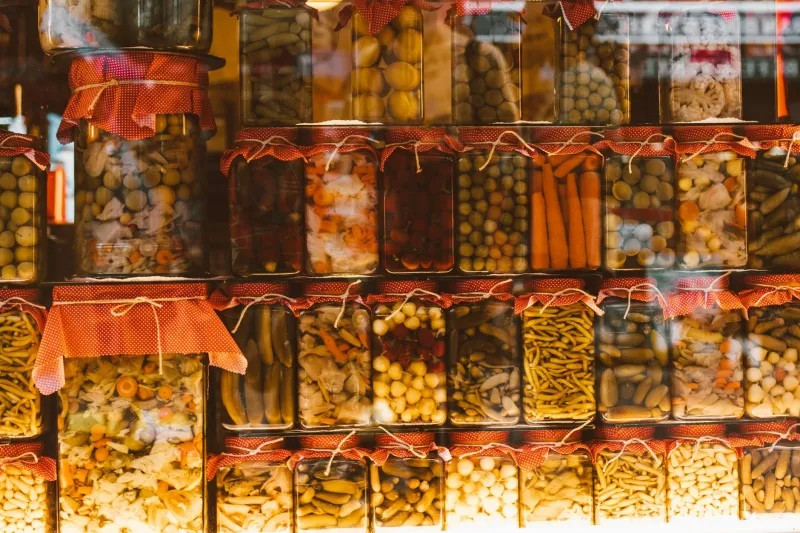
Fresh produce simply couldn't travel far without spoiling. A trainload of apples shipped from Washington to New York in 1900 would arrive as expensive applesauce. Milk went sour within days. Meat spoiled within hours in warm weather. The only foods that could travel long distances were those preserved through smoking, salting, canning, or drying—processes that often stripped away nutrition along with freshness.
This geographical tyranny of food created distinct regional diets that persisted for generations. New Englanders developed a cuisine based on preserved cod and root vegetables. Southerners built their cooking around what could grow in hot, humid climates. Midwesterners ate beef and grain because that's what their land produced efficiently.
The Ice Age of Transportation
The first breakthrough came with ice-cooled railroad cars in the 1870s, but these were expensive, unreliable, and limited in capacity. Ice had to be harvested from frozen lakes, stored in insulated warehouses, and replaced frequently during transport. A cross-country shipment might require ice stops every 200 miles, and even then, spoilage rates were enormous.
Gustavus Swift revolutionized the meat industry by shipping dressed beef in ice cars from Chicago to Eastern cities, but this only worked for products valuable enough to justify the enormous costs. Fresh produce remained hopelessly local because vegetables weren't worth the expense of ice transportation.
Even with ice cars, seasonal eating patterns remained rigid. Oranges appeared in Northern stores only during winter months when they could be shipped without spoiling. Strawberries were available for perhaps six weeks in early summer. The rest of the year, you ate what could be preserved or you went without.
The Mechanical Revolution
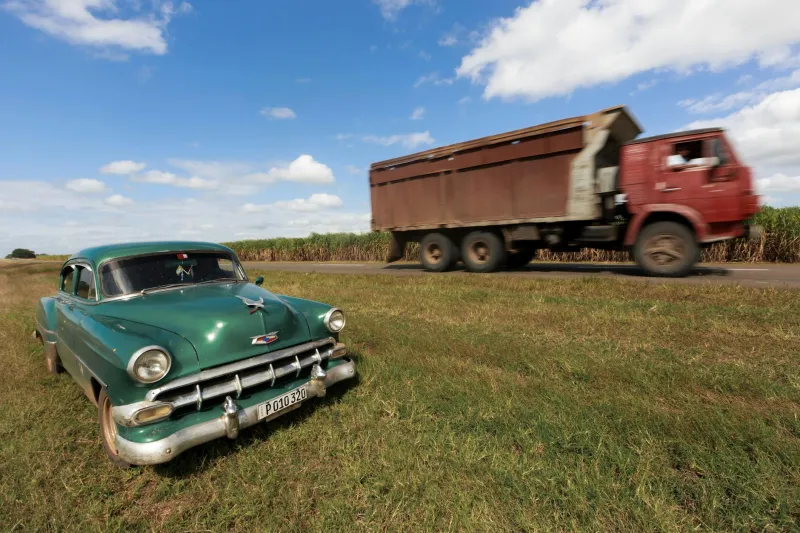
Everything changed with the development of mechanical refrigeration in the 1930s and 1940s. Suddenly, trucks and rail cars could maintain precise temperatures for thousands of miles without stopping for ice. The first successful refrigerated trucks—"reefers"—began rolling in the late 1930s, but World War II interrupted their widespread adoption.
The real transformation began in the 1950s when reliable refrigerated trucking became economically viable for ordinary produce. For the first time in human history, fresh food could travel thousands of miles and arrive in better condition than local produce that had been sitting in warehouses for days.
This wasn't just a technological change—it was a complete restructuring of American agriculture and eating patterns. Farmers in California could now grow lettuce for consumers in Maine. Florida citrus growers could ship fresh oranges to Minnesota in July. Mexican farmers could compete directly with local producers in Chicago.
The Death of Seasonal Eating
The transformation happened remarkably quickly. In 1950, most Americans still ate seasonally by necessity. By 1970, seasonal eating was becoming a choice rather than a requirement. By 1990, many American children had never experienced truly seasonal food availability—they grew up assuming strawberries and tomatoes were always available, just like milk and bread.
The average American meal now travels 1,500 miles from farm to plate, compared to less than 50 miles in 1900. We eat foods from dozens of countries and climates, often without knowing or caring where they originated. A typical winter salad might contain lettuce from California, tomatoes from Mexico, cucumbers from Canada, and avocados from Chile—a global feast that would have been impossible for 99.9% of human history.
When Wealth Meant Winter Oranges
Before refrigerated transport, eating fresh produce out of season was a luxury available only to the very wealthy. Rich families might pay enormous premiums for hothouse tomatoes in winter or have fresh fruit shipped packed in ice from distant locations. For everyone else, winter meant making do with what could be stored, preserved, or grown locally in cold climates.
The democratization of fresh food through refrigerated transportation represents one of the most significant improvements in American living standards. What once marked you as wealthy—fresh fruit in winter, out-of-season vegetables, exotic produce—became accessible to working-class families shopping at ordinary supermarkets.
The Unintended Consequences
This revolution came with costs that weren't immediately apparent. Local food systems that had sustained communities for generations began disappearing as distant producers undercut local farmers. Regional food cultures started homogenizing as the same products became available everywhere.
The environmental impact is staggering: the energy required to refrigerate and transport fresh food thousands of miles, the greenhouse gas emissions from long-haul trucking, and the loss of agricultural diversity as farming concentrated in optimal climates rather than serving local markets.
From Scarcity to Abundance
Perhaps most remarkably, refrigerated transportation broke the ancient connection between human settlement patterns and food production. For thousands of years, people lived where food could be grown or preserved. Cities developed around agricultural regions, and population density was limited by local food production capacity.
Refrigerated trucks changed all that. Now people could live in deserts, on mountains, or in frozen climates while eating fresh produce grown thousands of miles away. The American Southwest's explosive growth after World War II was only possible because fresh food could be trucked in from distant farms.
Today's supermarket abundance—fresh berries in December, tropical fruits in Alaska, summer vegetables year-round—represents a complete victory over the geographical and seasonal constraints that shaped human eating patterns for millennia. We've become so accustomed to this abundance that we've forgotten how recent and revolutionary it really is.
Your great-grandparents planned their meals around what could grow nearby and what could last through winter. You plan your meals around what sounds good, secure in the knowledge that refrigerated trucks have made the entire world's agricultural output available at your local store.