The Night Galveston Disappeared
On September 8, 1900, residents of Galveston, Texas went to bed with no idea that a Category 4 hurricane was bearing down on their city. By morning, over 8,000 people were dead — the deadliest natural disaster in American history. The Weather Bureau had issued a storm warning, but it arrived too late and with too little detail to save lives.
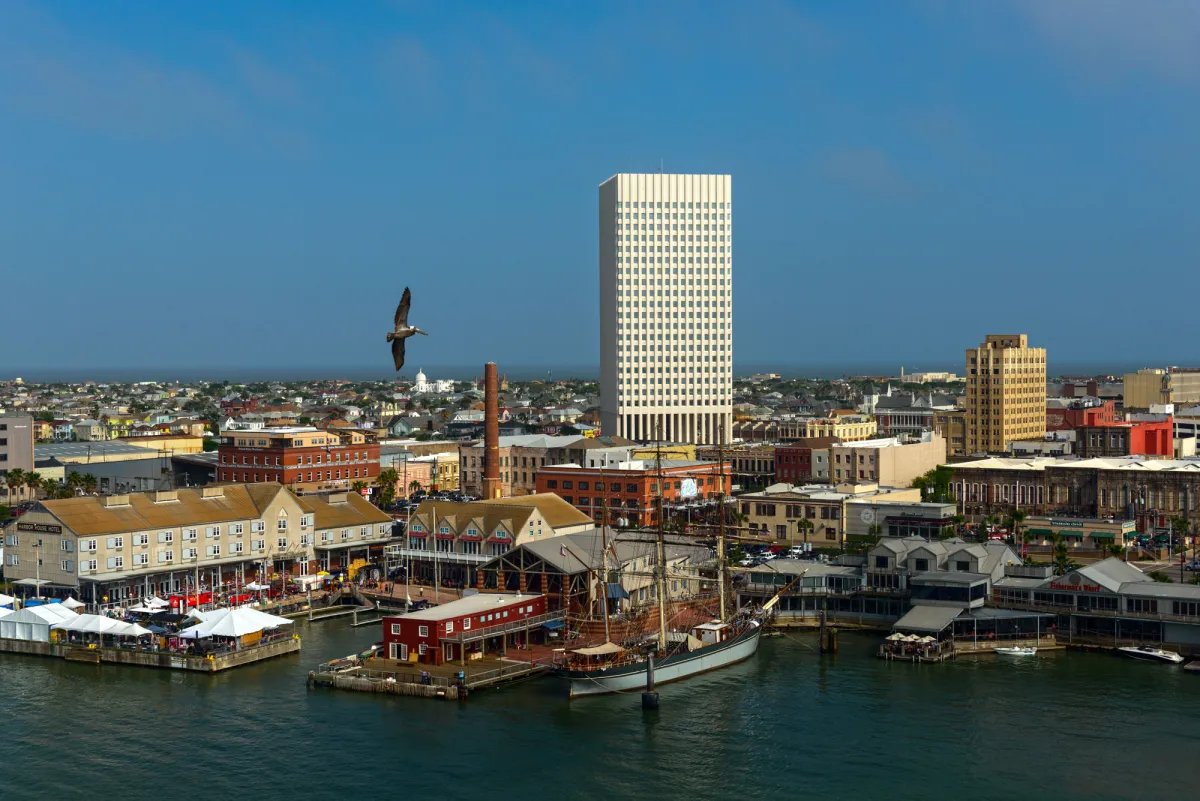 Photo: Galveston, Texas, via www.galveston.com
This wasn't unusual. For most of American history, weather prediction was essentially educated guesswork mixed with wishful thinking.
When Farmers Were Meteorologists
Before the 1950s, weather forecasting relied on a patchwork system that would seem primitive by today's standards. Local observers — often farmers, lighthouse keepers, or railroad station masters — would take basic measurements twice a day and telegraph them to regional weather offices. These reports might include temperature, barometric pressure, wind direction, and a subjective description of cloud cover.
The problem was obvious: by the time information traveled from observer to weather office to newspaper or radio station, the weather had often already changed. A storm system moving at 40 mph could travel hundreds of miles while forecasters were still collecting data about where it had been hours earlier.
Most Americans relied on folk wisdom passed down through generations. "Red sky at night, sailor's delight" wasn't just a saying — it was often the most reliable forecast available. Farmers watched animal behavior, felt changes in their arthritic joints, and studied cloud formations with the intensity of modern meteorologists.
The Science That Changed Everything
The revolution began during World War II, when military necessity drove rapid advances in weather technology. Radar, originally designed to detect enemy aircraft, proved equally effective at tracking precipitation and storm systems. For the first time, meteorologists could see weather patterns in real-time rather than relying on scattered ground reports.
The 1960s brought weather satellites, giving forecasters their first bird's-eye view of entire storm systems. Suddenly, hurricanes weren't invisible threats lurking beyond the horizon — they were massive, trackable systems whose every movement could be monitored from space.
But the real breakthrough came with Doppler radar in the 1990s. This technology could detect not just precipitation, but wind patterns within storms. For tornado prediction, this was revolutionary. Instead of waiting for someone to spot a funnel cloud and call it in, meteorologists could now identify the rotating wind patterns that precede tornado formation.
From Hours to Days of Warning
The improvement in lead times is staggering. In 1950, the average tornado warning gave people about one minute to seek shelter. Today, that average is 13 minutes — and for many storms, warnings come hours in advance.
Hurricane tracking has improved even more dramatically. The 1900 Galveston hurricane wasn't detected until it was already in the Gulf of Mexico, giving coastal residents virtually no time to evacuate. Hurricane Katrina, by contrast, was tracked for over a week as it developed and moved toward the Gulf Coast. Despite the tragic failures in New Orleans' levee system, the advance warning allowed for the largest evacuation in American history.
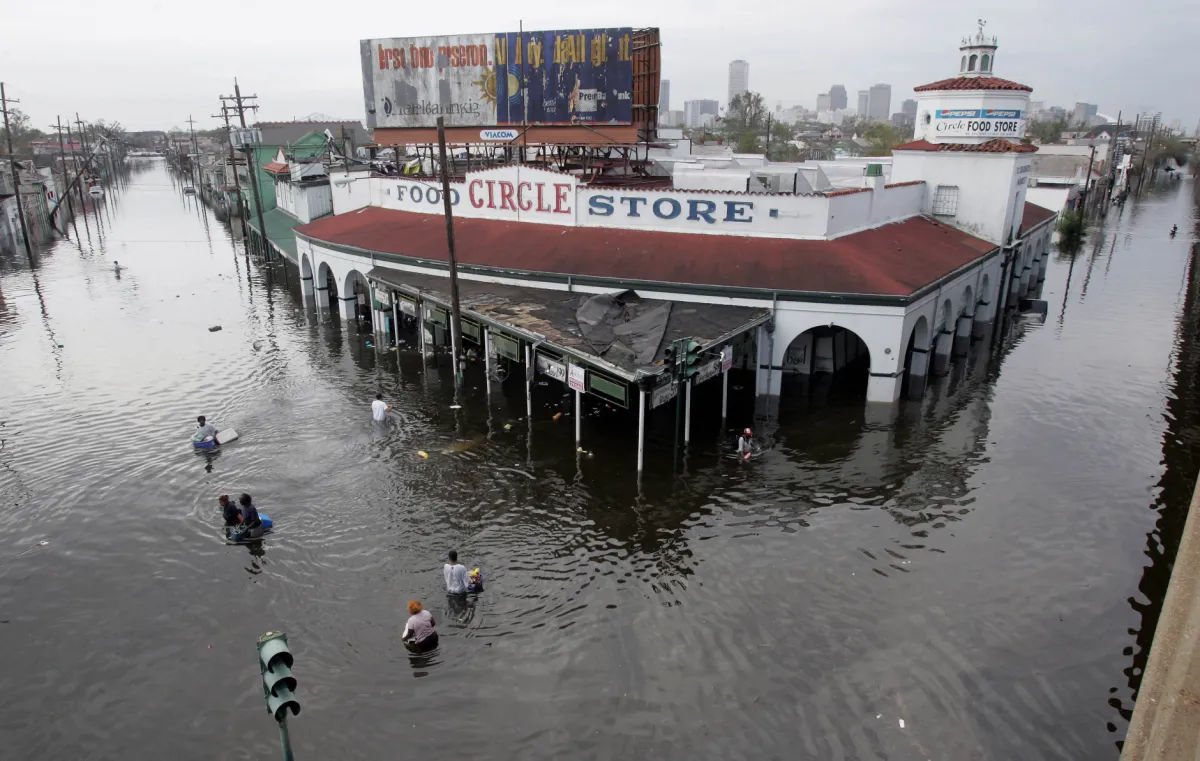 Photo: Hurricane Katrina, via wtop.com
Winter storm prediction has transformed from a day-or-two guess into precise forecasts that can predict snowfall totals and timing up to a week in advance. The Blizzard of 1888, which killed over 400 people in the Northeast, struck with so little warning that people were caught outdoors in light clothing. Today, a storm of that magnitude would trigger evacuation orders and emergency preparations days before the first snowflake fell.
The Human Cost of Better Forecasting
The statistics tell the story of this transformation. In the early 1900s, weather-related disasters killed thousands of Americans annually. The deadliest tornado in American history — the Tri-State Tornado of 1925 — killed 695 people partly because communities had no advance warning. Today, despite a much larger population living in tornado-prone areas, annual tornado deaths typically number in the dozens rather than hundreds.
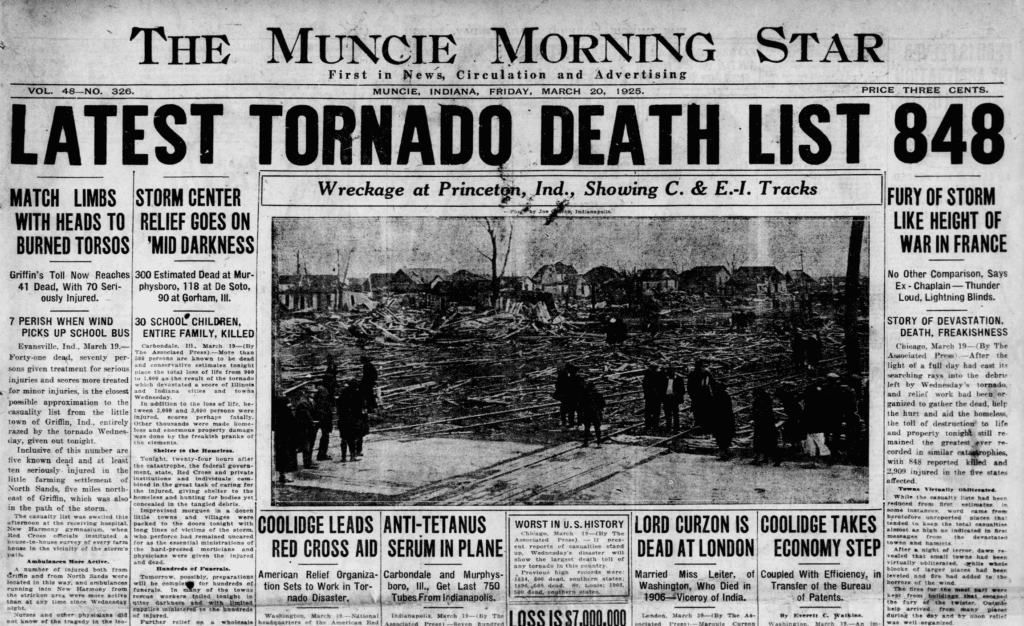 Photo: Tri-State Tornado, via justinharter.com
Hurricane fatalities have dropped even more dramatically. While property damage continues to climb as more people build in vulnerable coastal areas, death tolls have plummeted. Hurricane Camille in 1969 killed 256 people. Hurricane Katrina, despite being a larger disaster, killed about 1,800 — tragic, but far fewer than a storm of that magnitude would have claimed in earlier eras.
The Technology Behind Modern Miracles
Today's weather prediction relies on a network that would have seemed like science fiction to forecasters a century ago. Thousands of automated weather stations report conditions every few minutes. Weather balloons launched twice daily from sites across the globe collect atmospheric data from ground level to 100,000 feet. Satellites provide continuous monitoring of cloud patterns, ocean temperatures, and atmospheric moisture.
Computer models process this massive data stream using equations that require some of the world's most powerful supercomputers. The numerical weather prediction models running at the National Weather Service process quadrillions of calculations to generate forecasts that extend out two weeks.
When Seconds Matter
Perhaps nowhere is the improvement more dramatic than in tornado warning systems. The Enhanced Fujita Scale, implemented in 2007, helps meteorologists better understand storm intensity. Phased array radar, now being tested, could reduce tornado warning times from minutes to seconds while dramatically reducing false alarms.
Mobile weather units can now deploy directly into storm paths, collecting real-time data from inside hurricanes and tornado-producing supercells. Storm chasers, once considered reckless thrill-seekers, now provide crucial ground-truth data that helps meteorologists refine their models.
The Forecast for Forecasting
Climate change is creating new challenges for weather prediction, with more extreme events and shifting patterns that challenge historical models. But the same technological advancement that transformed 20th-century forecasting continues to evolve. Artificial intelligence is beginning to process weather data in ways that could make current predictions look primitive.
The next revolution might come from space-based sensors that can monitor atmospheric conditions with unprecedented detail, or from quantum computers that could process weather models thousands of times faster than current systems.
What's certain is that Americans today live under a protective umbrella of weather awareness that previous generations couldn't imagine. The farmer checking his barometer and scanning the horizon has been replaced by a global network of sensors, satellites, and supercomputers dedicated to ensuring that weather never again kills without warning.