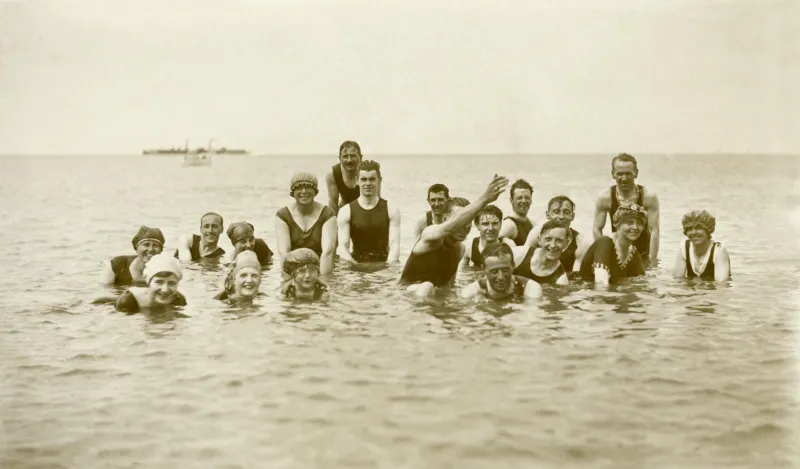
The Great Tan Reversal That Killed a Generation
Picture this: it's 1925, and your doctor just prescribed you a "sun cure" for tuberculosis. Fashion magazines are showcasing bronzed models as the height of sophistication. Coco Chanel returns from a Mediterranean cruise sporting what she calls a "healthy glow," and suddenly every American woman wants to look like she just stepped off a yacht.
Fast-forward to today, and that same level of tan would send dermatologists into panic mode. We've gone from sun worship to sun terror in less than a century, and the body count tells the story.
When White Was Right (And Tan Was Trash)
For most of human history, pale skin was the ultimate status symbol in America and Europe. If you were bronzed, it meant you worked outdoors—farming, construction, manual labor. The wealthy stayed indoors or under parasols, and women literally painted their faces white with lead-based cosmetics that slowly poisoned them.
Victorian ladies carried elaborate umbrellas and wore long sleeves in summer heat that would make modern Americans reach for the AC remote. The ideal woman looked like she'd never seen sunlight, because in many ways, she hadn't.
Then World War I changed everything. Suddenly, outdoor work became patriotic. Women entered factories and farms while men fought overseas. The association between tan skin and poverty began to crack.
The Roaring Twenties: When Sunshine Became Medicine
The 1920s didn't just bring jazz and prohibition—they brought a complete reversal of centuries of sun avoidance. Suddenly, medical professionals were prescribing "heliotherapy" for everything from rickets to depression. Tuberculosis patients were sent to sunny sanatoriums in Colorado and California, where they lay naked on rooftops absorbing what doctors called "healing rays."
The science seemed solid at the time. Sunlight did help the body produce vitamin D, which prevented rickets in children. Some TB patients did improve in sunny climates. But medicine took these limited benefits and ran wild with them.
Doctors began prescribing sun exposure for anemia, arthritis, and even mental illness. Medical journals published studies claiming that tanned children were healthier and more intelligent than their pale counterparts. One influential physician wrote that "the sun-starved child is a biological tragedy."
Hollywood Makes Bronze Beautiful
While doctors were prescribing sunshine, Hollywood was selling it. Movie stars like Douglas Fairbanks and Rudolph Valentino sported deep tans that suggested exotic adventure and leisure time. For the first time in history, looking like you spent time outdoors became fashionable rather than shameful.
Coco Chanel's accidental tan from that 1923 cruise became legendary. She claimed it was a mistake, but the fashion world embraced it as revolutionary. Within a few years, American women were deliberately seeking sun exposure, often with homemade tanning oils that contained zero protection.
The message was clear: pale meant poor, sickly, and unfashionable. Tan meant healthy, wealthy, and modern.
The Tanning Industry Explodes
By the 1930s, an entire industry had grown around sun worship. Beach resorts marketed themselves as health destinations. Tanning oils and reflective devices promised faster, deeper tans. The first sunlamps appeared in beauty salons, offering year-round bronzing for those who couldn't afford tropical vacations.
Americans began planning entire vacations around achieving the perfect tan. Florida's economy boomed as northerners flocked south for winter "sun cures." California marketed itself as the land of eternal sunshine and perfect skin.
Meanwhile, skin cancer rates began climbing, but the medical establishment didn't connect the dots for decades.
When the Science Caught Up
The first serious warnings about sun exposure appeared in medical journals during the 1960s, but they were largely ignored by both doctors and the public. The tanning industry was too profitable, and the cultural association between tan skin and health was too strong.
It wasn't until the 1980s that dermatologists began aggressively campaigning against excessive sun exposure. By then, melanoma rates had increased by over 3,000% since the 1930s. The "healthy glow" had become a death sentence for thousands of Americans.
The SPF Revolution
Today's sun protection industry would be unrecognizable to those 1920s sun worshippers. We have SPF ratings, UV indexes, and dermatologists who recommend sunscreen for walking to the mailbox. The same medical establishment that once prescribed sun baths now treats any tan as evidence of skin damage.
Modern Americans spend billions on products designed to block the same rays their great-grandparents paid to absorb. We've gone from sun lamps to spray tans, from rooftop therapy to basement tanning salons with warning labels.
The Price of Fashion
The shift from pale to tan and back again reveals how completely cultural attitudes can reverse within a single lifetime. Those bronzed beauties of the 1920s and 1930s paid a price their generation couldn't imagine—melanoma rates among Americans born in that era skyrocketed as they aged.
Today's obsession with sun protection might seem extreme to previous generations, but it's based on decades of hard data about skin cancer, premature aging, and UV damage. We've learned that the "healthy glow" was anything but healthy.
The next time you see a vintage photo of 1920s beachgoers basking in the sun without protection, remember: they weren't being reckless. They were following medical advice and cultural norms that seemed perfectly reasonable at the time. The science just hadn't caught up with the consequences yet.