When Cocaine Was Medicine and Heroin Cured Your Cough: America's Wild West Pharmacy Days
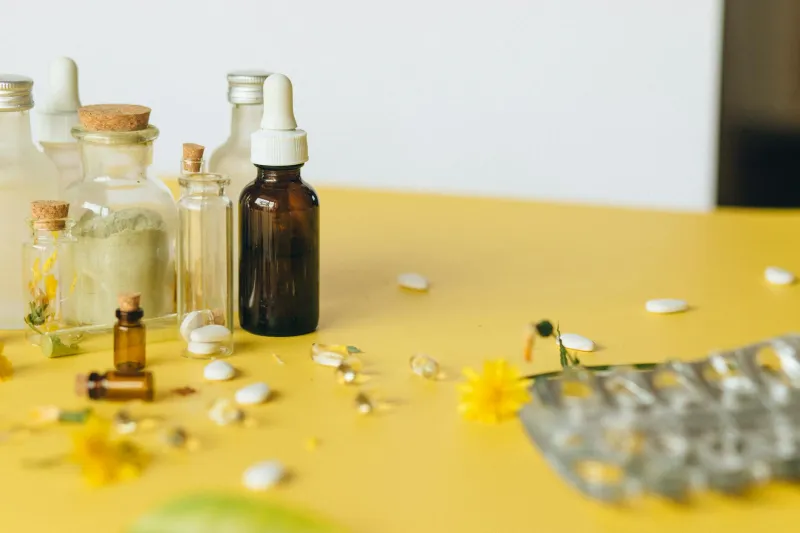
Walk into any American pharmacy today, and you'll find rows of medications with detailed warning labels, dosage instructions, and FDA approval stamps. It's a world of clinical trials, safety studies, and rigorous oversight. But rewind the clock just over a century, and you'd encounter a pharmaceutical landscape so dangerous it would make your modern medicine cabinet look like a fortress of safety.
The Golden Age of Patent Medicines
In the late 1800s and early 1900s, American pharmacies were essentially unregulated chemical laboratories. Behind those ornate glass counters sat bottles filled with what we now know were some of the most dangerous substances on earth, marketed as everyday remedies.
Coca-Cola wasn't just a soft drink—it was originally marketed as a brain tonic containing actual cocaine. Mrs. Winslow's Soothing Syrup, given to teething babies, contained morphine. Bayer, the same company that makes aspirin today, once marketed heroin as a cough suppressant and pain reliever, claiming it was safer than morphine.
These weren't underground operations or back-alley dealers. These were legitimate businesses advertising in newspapers, with products sold in respectable pharmacies across America. The Sears catalog, that symbol of American commerce, featured pages of patent medicines that would horrify modern doctors.
When Mercury Was a Miracle Cure
Perhaps most shocking was the widespread use of mercury-based treatments. Calomel, a mercury compound, was prescribed for everything from constipation to yellow fever. Blue Mass, another mercury preparation, was so popular that Abraham Lincoln reportedly took it for his melancholy—until he stopped because it made him irritable and unable to think clearly.
Doctors didn't understand that mercury was slowly poisoning their patients. The symptoms of mercury poisoning—tremors, tooth loss, personality changes—were often attributed to the original illness rather than the "cure." Patients would return to their doctors with worsening symptoms, only to receive higher doses of the very substance that was killing them.
The phrase "mad as a hatter" originated from hat makers who used mercury in their trade and developed neurological symptoms. Yet mercury remained a common ingredient in medicines well into the 20th century.
The Radium Craze That Glowed in the Dark
As if cocaine and mercury weren't enough, the early 1900s brought the radium craze. After Marie Curie's discoveries, radioactivity was seen as a miraculous new energy source. Companies began adding radium to everything from toothpaste to suppositories.
Radithor, a popular radium-based tonic, was marketed as a cure-all that would restore vitality and youth. Wealthy Americans, including prominent industrialist Eben Byers, consumed it daily. Byers eventually died from radium poisoning, his jaw literally disintegrating from the radiation. When investigators opened his coffin years later, his remains were still radioactive.
Radium watches, with glow-in-the-dark dials painted by workers who licked their brushes to create fine points, caused devastating cancers. The Radium Girls, as they became known, fought landmark legal battles that helped establish workers' rights to sue employers for occupational diseases.
The Disaster That Changed Everything
The turning point came in 1937 with the Elixir Sulfanilamide tragedy. A Tennessee pharmaceutical company created a liquid version of a popular antibiotic by dissolving it in diethylene glycol—essentially antifreeze. The company tested the mixture for flavor and appearance but not for safety.
Within weeks, over 100 people, many of them children, died from kidney failure. The FDA, which had limited authority at the time, could only prosecute the company for mislabeling—calling the mixture an "elixir" when it contained no alcohol.
Public outrage over this preventable tragedy led to the Federal Food, Drug, and Cosmetic Act of 1938, which required companies to prove their drugs were safe before marketing them.
From Snake Oil to Clinical Trials
The contrast between then and now is staggering. Modern drug development involves years of laboratory testing, animal studies, and multiple phases of human clinical trials. A single medication might cost hundreds of millions of dollars and take over a decade to reach market.
The FDA now requires proof of both safety and efficacy. Every side effect must be documented, every interaction studied, every manufacturing process inspected. The same agency that once had no power to prevent radium toothpaste now has the authority to shut down entire pharmaceutical companies for safety violations.
The Price of Progress
This transformation didn't happen overnight. It took decades of disasters, lawsuits, and public pressure to build the regulatory framework we rely on today. The thalidomide crisis of the 1960s, which caused severe birth defects in Europe but was largely prevented in the US by an FDA officer's vigilance, further strengthened safety requirements.
Today's lengthy drug approval process, often criticized for being too slow, exists because of the hard lessons learned from America's pharmaceutical Wild West. Every clinical trial protocol, every safety warning, every FDA inspection represents a safeguard built on the graves of those who died from medicines that were supposed to heal them.
When you read the side effects on a modern prescription bottle, remember that each warning exists because someone, somewhere, experienced that reaction. The boring, bureaucratic world of modern pharmaceutical regulation isn't just red tape—it's the difference between medicine and poison, carefully measured out in the span of a century's worth of hard-won wisdom.