America's Sports Stadiums Used to Welcome Everyone — Now They're Country Clubs With Scoreboards
In 1978, you could walk up to Yankee Stadium on game day, buy a bleacher seat for $2.50, park for free on the street, and grab a hot dog and beer for under five bucks total. Your entire family could attend a Major League Baseball game for less than what a single premium parking spot costs today.
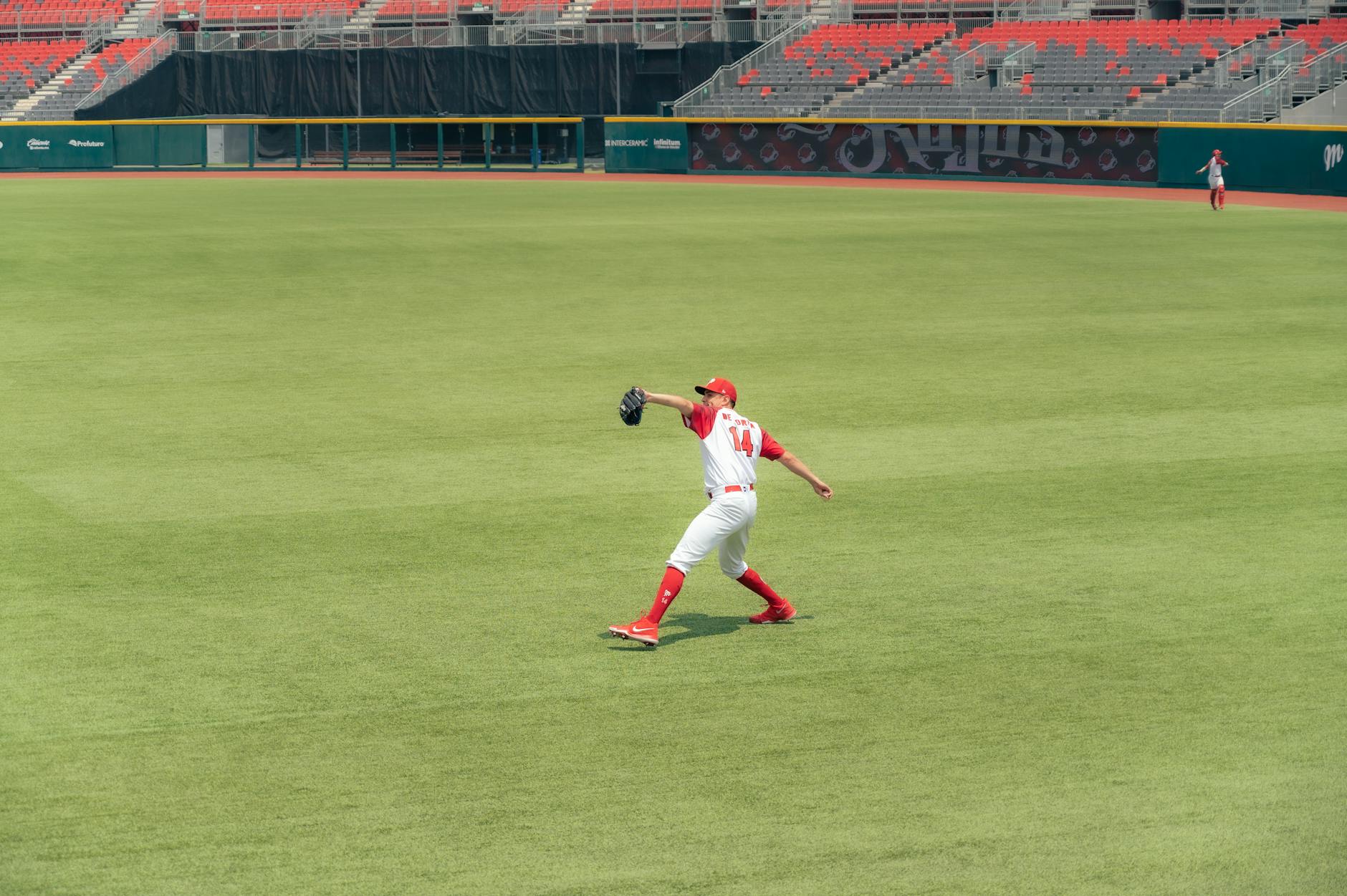
 Photo: Major League Baseball, via cfm.yidio.com
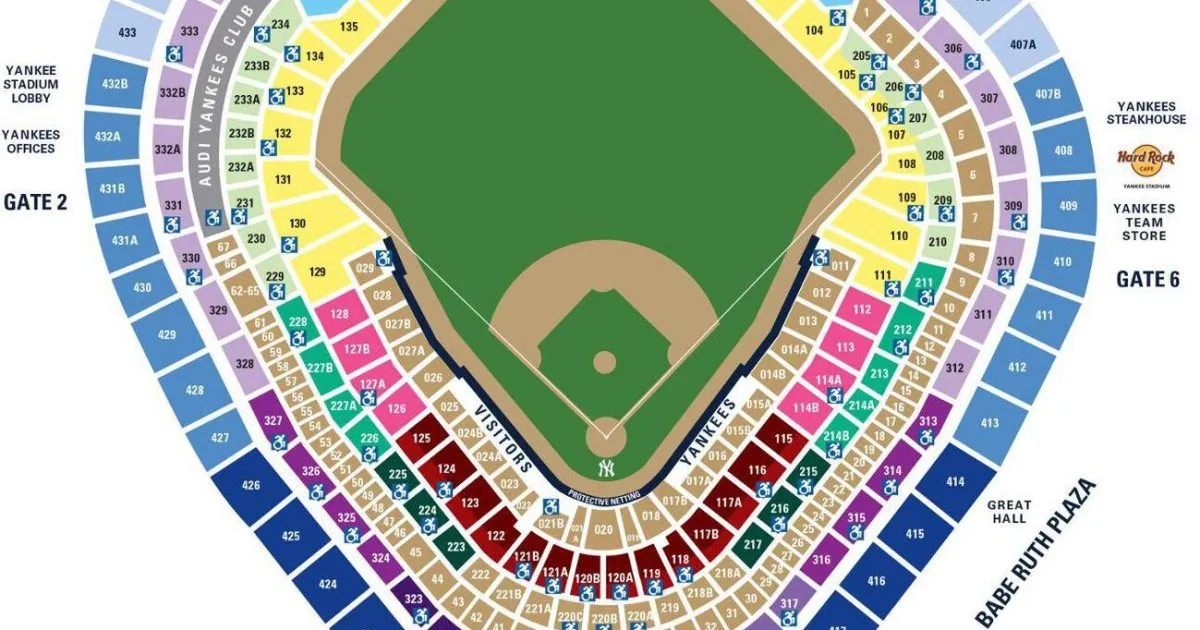 Photo: Yankee Stadium, via dvvwrk0u94pdu.cloudfront.net
When Sports Were Actually for Everyone
Forty years ago, professional sports stadiums functioned as genuine community gathering places. A construction worker finishing his shift could decide on a whim to catch the last few innings. A single mother could afford to take her kids to a Sunday afternoon game without calculating grocery money. Season ticket holders weren't necessarily wealthy — they were often the same blue-collar fans who'd supported the team through decades of losing seasons.
The numbers tell the story starkly. In 1980, the average MLB ticket cost $3.50, equivalent to about $13 in today's money. The actual average today? Over $35. But that's just the beginning of how dramatically the economics have shifted.
NFL games present an even more extreme transformation. In 1985, you could find decent seats to most games for $15-20. Today, the average NFL ticket exceeds $150, with premium games routinely topping $300. Add parking fees that often exceed $50, concessions that charge $15 for beer, and the "convenience" fees for buying tickets online, and a family outing can easily cost $800.
The Rise of the Premium Experience
Somewhere between then and now, team owners discovered they could make far more money selling fewer seats to wealthier customers than filling stadiums with working-class fans. The transformation wasn't accidental — it was a deliberate business strategy.
Personal Seat Licenses (PSLs) epitomize this shift. These upfront fees, sometimes reaching $50,000 just for the right to buy season tickets, didn't exist until the 1990s. Now they're standard practice, creating an additional barrier that ensures only affluent fans can secure good seats.
Dynamic pricing — adjusting ticket costs based on demand, weather, team performance, and dozens of other variables — means fans can no longer budget predictably for games. The same seat might cost $40 one week and $200 the next, depending on algorithms most fans don't understand.
Corporate sponsorship has reshaped the entire stadium experience. Luxury boxes, club levels, and premium seating sections now occupy the best sightlines, filled with business clients who may barely watch the game. The passionate fans who once created the electric atmosphere have been pushed to the upper decks or priced out entirely.
What We Lost When Sports Became Exclusive
The cultural impact extends far beyond economics. Sports stadiums once served as one of America's few truly democratic spaces, where a CEO and a factory worker might sit side by side, united in cheering for the home team. That mixing of social classes created shared experiences and community bonds that transcended economic divisions.
Children who grew up attending games with their parents often became lifelong fans, creating generational loyalty that teams could count on. When families can no longer afford regular attendance, that emotional connection weakens. Many kids today experience professional sports primarily through television or streaming, missing the irreplaceable energy of live crowds.
The atmosphere itself has changed. Corporate ticket holders and casual attendees don't generate the same sustained noise and enthusiasm as passionate fans who've invested emotionally and financially in the team's success. Players and coaches frequently comment on how much quieter modern stadiums feel, even when full.
The Ripple Effects
This pricing transformation has pushed many fans toward college sports, minor league baseball, and other alternatives that still offer affordable family entertainment. But even these options are following professional sports' lead, gradually raising prices and adding premium amenities.
Television ratings for many sports have declined as younger demographics lose connection to teams they can't afford to see in person. The NFL remains popular, but baseball faces particular challenges attracting new fans who have no childhood memories of attending games.
Local businesses around stadiums have adapted to serve a wealthier clientele, often displacing the neighborhood bars and restaurants that once catered to working-class fans. Entire districts have gentrified around sports complexes, further alienating the communities that originally supported these teams.
The New Reality
Today's sports experience caters to a fundamentally different audience than the one that built American professional athletics. Corporate entertainment budgets, not family savings accounts, drive ticket sales. Premium amenities matter more than affordable access.
While teams argue that higher revenues allow them to field better players and build superior facilities, they've fundamentally altered the social role of professional sports. What was once a shared cultural experience has become a luxury good, available primarily to those who can afford country club memberships.
The bleacher creatures and die-hard fans who once defined stadium culture haven't disappeared entirely, but they've been marginalized in their own houses of worship. The American sports stadium has evolved from a community center into an entertainment complex, prioritizing profit margins over the passionate fans who made these games worth watching in the first place.
In transforming sports into premium experiences, we've gained impressive facilities and high-quality amenities. But we've lost something arguably more valuable: the idea that America's pastimes should be accessible to all Americans, regardless of their bank account balance.