Before Title Insurance, Buying a Home Was Like Playing Russian Roulette With Your Life Savings
Before Title Insurance, Buying a Home Was Like Playing Russian Roulette With Your Life Savings
In 1876, a Philadelphia lawyer named Joshua Morris made a mistake that would accidentally revolutionize American real estate forever. While researching a property deal, he discovered a critical flaw in the title that his initial search had missed — a discovery that could have cost his client everything. Rather than accept this as an inevitable risk of property transactions, Morris had a radical idea: what if someone could guarantee the accuracy of title searches?
That moment of frustration gave birth to title insurance, but for most of American history before that innovation, buying a home was an exercise in legal archaeology that only the wealthy dared attempt.
When Lawyers Were Your Only Shield Against Disaster
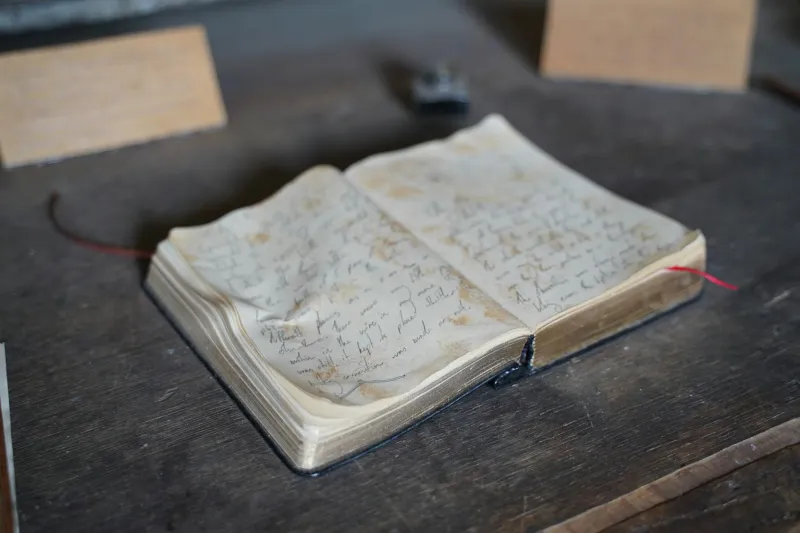
Before title insurance became standard, purchasing property required hiring an attorney to conduct what was essentially detective work. These lawyers would spend days or weeks in courthouse basements, manually combing through handwritten records that could span decades or even centuries.
The process was exhausting and expensive. Property records were scattered across multiple locations, often poorly organized, and frequently incomplete. A single missing document could surface years later to challenge your ownership, and there was no safety net to protect you from such discoveries.
Consider what this meant for ordinary Americans. In 1850, buying a modest home in Boston might require paying a lawyer the equivalent of several thousand dollars in today's money just to research the title. The attorney would need to trace every previous owner, verify each transaction, and search for any outstanding liens, mortgages, or legal disputes attached to the property.
Even wealthy buyers weren't safe. Stories from the era tell of families losing their homes years after purchase when previously unknown heirs emerged with valid claims, or when old debts attached to the property suddenly came due.
The Paper Trail Nightmare
The manual nature of title research created countless opportunities for error. Property records were handwritten in various languages, using legal terminology that varied by region and era. A deed recorded in Dutch in colonial New York, a Spanish land grant in California, or a French property transfer in Louisiana could all affect modern ownership — if anyone could find and properly interpret these documents.
County clerks weren't required to maintain comprehensive indexes, so lawyers often relied on their own networks and institutional knowledge to locate relevant records. Missing a single filing could mean missing a crucial lien or ownership dispute that might not surface until years later.
The research process itself was physically demanding. Lawyers would spend hours in dusty courthouse basements, squinting at faded ink by candlelight or early electric bulbs. There were no photocopiers, so every relevant document had to be copied by hand or memorized.
How Title Insurance Changed Everything
Morris's Philadelphia company, which became the first title insurance firm in America, offered something revolutionary: a guarantee. Instead of just researching titles, they would insure the accuracy of their work. If they missed something and the buyer suffered a loss, the insurance company would pay.
This shift transformed real estate transactions from individual gambles into pooled risk. Title companies could afford to make occasional mistakes because they spread that risk across thousands of policies. Buyers gained peace of mind, and sellers found it easier to close deals when buyers felt protected.
By the early 1900s, title insurance was spreading across major American cities. The companies invested heavily in creating comprehensive title plants — private databases that tracked every property transaction in their coverage areas. These organized records made title searches faster and more accurate than the old courthouse excavations.
The Modern Closing Revolution
Today's real estate closings would seem like magic to someone from 1876. What once took weeks now happens in hours. A title company can search decades of records electronically, identify potential issues instantly, and provide insurance coverage that protects buyers for as long as they own the property.
The average American homebuyer barely thinks about title insurance — it's just another line item at closing. But this invisibility represents the system's success. The complex legal archaeology that once made property transactions accessible only to the wealthy has been reduced to a routine business process.
Modern title searches can uncover liens filed that morning, track ownership through multiple jurisdictions, and flag potential problems before they become disasters. The entire process that once required specialized legal expertise has been systematized and scaled.
The Hidden Foundation of Homeownership
Title insurance didn't just make buying homes safer — it made the entire American dream of widespread homeownership possible. When ordinary families could purchase property without hiring expensive lawyers or accepting enormous risks, real estate became a middle-class investment vehicle.
The suburbanization of America, the post-war housing boom, and the modern mortgage industry all depended on streamlined property transfers that title insurance made possible. Without this innovation, real estate might have remained what it was for most of human history: a luxury transaction for the wealthy, mediated by expensive specialists.
Next time you sign a stack of closing documents, remember that one of those boring forms represents a revolution that took property ownership from being a rich person's gamble to something millions of American families could safely attempt. The title insurance you barely notice made your homeownership possible.