The Great Unwinding: How America Lost Its Summer Break
The Great Unwinding: How America Lost Its Summer Break
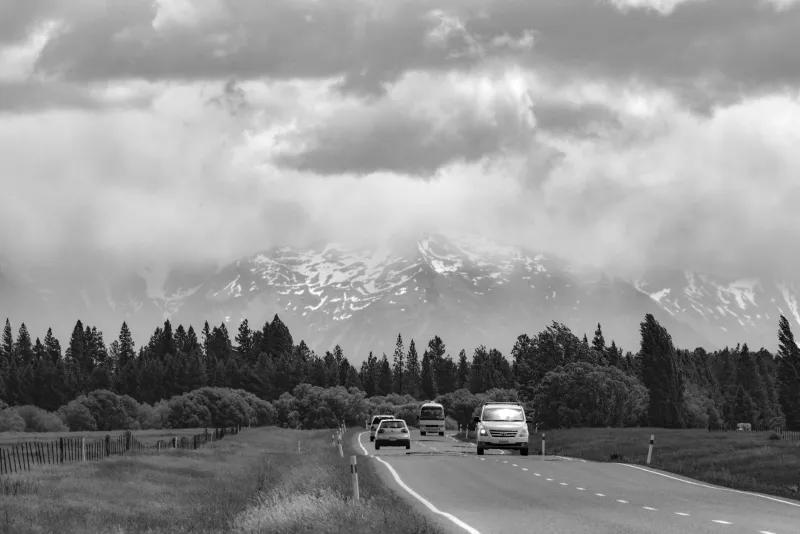
In 1975, the Hendersons packed their wood-paneled station wagon with suitcases, a cooler, and absolutely no way to be reached for three weeks. Dad had submitted his vacation request months in advance. Mom had planned the route through national parks. The kids didn't own watches that mattered. They simply vanished from the ordinary world—no phone calls, no emails, no updates. The office would survive without them. Everyone understood this as a basic truth.
Today, the concept feels almost quaint. The average American worker leaves 5.5 unused vacation days on the table each year. Those who do take time off often spend it "working remotely" from a beach house, answering Slack messages between meals. The idea of genuine, screen-free absence has become a luxury reserved for the wealthy enough to afford true disconnection.
What shifted? The answer lies in a collision of technology, economics, and a fundamental reshaping of how Americans think about work itself.
The Vacation as Cultural Institution
For much of the mid-20th century, the vacation wasn't just a perk—it was a cultural expectation, almost a moral right. The post-war economic boom created conditions where employers could afford extended absences. Labor protections were stronger. The idea that a worker needed to step away to remain productive was widely accepted. Magazines celebrated the family road trip. Motels multiplied across the highway system. Destination tourism became a middle-class norm.
The typical vacation lasted two to four weeks. It was geographically anchored—a beach house, a cabin, a grandmother's home in another state. Entertainment was whatever you found there: swimming, card games, conversations, driving aimlessly through small towns. The entire structure was built around slowness and presence. You couldn't check your email because email didn't exist. You couldn't work because work, quite literally, couldn't follow you.
This wasn't indulgence. It was recovery. And the culture treated it seriously.
The Erosion Begins
The shift started subtly in the 1980s with the rise of the laptop and the mobile phone. By the 1990s, it had accelerated dramatically. Suddenly, work could follow you anywhere. You weren't truly away; you were just away from the office. Email made constant contact feel natural. The smartphone made it feel mandatory.
Companies began restructuring vacation policies. The generous multi-week block gradually became fragmented: a few long weekends, scattered days off, the constant pressure to "use it or lose it" before December 31st. The psychological shift was profound. Vacation transformed from a cultural institution into a logistical problem—something to squeeze in, something to optimize, something that had to justify itself against competing demands.
Meanwhile, the economic landscape changed too. Job security eroded. Outsourcing and offshoring meant that your absence actually could result in work being reassigned. Gig economy workers and freelancers had no vacation days at all. Even salaried professionals began to fear that taking full advantage of their time off would be noticed, remembered, and held against them during performance reviews.
The Workcation Generation
Today's vacation looks fundamentally different. The "workcation" has become normalized—working from a resort, answering emails from a rental cabin, taking calls between tourist attractions. Studies show that roughly 70% of workers check their email while on vacation. Half say they feel pressured to remain accessible. The boundary between work and rest has dissolved so completely that many people no longer distinguish between the two.
The numbers tell a grim story. Americans take fewer vacation days than workers in any other developed nation. We take fewer than we're entitled to. We take fewer than our parents did. And when we do take time off, we're often less rested afterward—the constant connectivity prevents the genuine psychological break that vacations are supposedly designed to provide.
The cost of this shift extends beyond individual stress. Burnout has become epidemic. The CDC reports that chronic stress contributes to nearly every major health condition. Productivity paradoxically decreases when workers don't take breaks—yet companies continue to structure work as if constant availability equals commitment.
What We've Forgotten
The 1975 Hendersons didn't understand their vacation as optional or negotiable. The culture had established that rest was necessary, that absence was acceptable, and that disconnection was healthy. The vacation wasn't a luxury; it was a rhythm—a built-in acknowledgment that humans weren't designed to work continuously.
We've lost that understanding. We've replaced it with a narrative of flexibility and optimization: work from anywhere, work anytime, work whenever it suits you. Paradoxically, this "freedom" has made it harder to truly stop working. The tools that promised liberation have become instruments of constant obligation.
The tragedy isn't that vacations are shorter or more fragmented. It's that we've accepted the premise that they should be. A generation of workers has grown up never experiencing the kind of genuine, guilt-free disconnection that earlier Americans took for granted. They don't know what they're missing.
The station wagon is long gone. The three-week road trip feels like a relic from another era. And somewhere in that loss, we've surrendered something more valuable than we realized: the belief that rest—real, complete, uninterrupted rest—is not just possible but necessary.